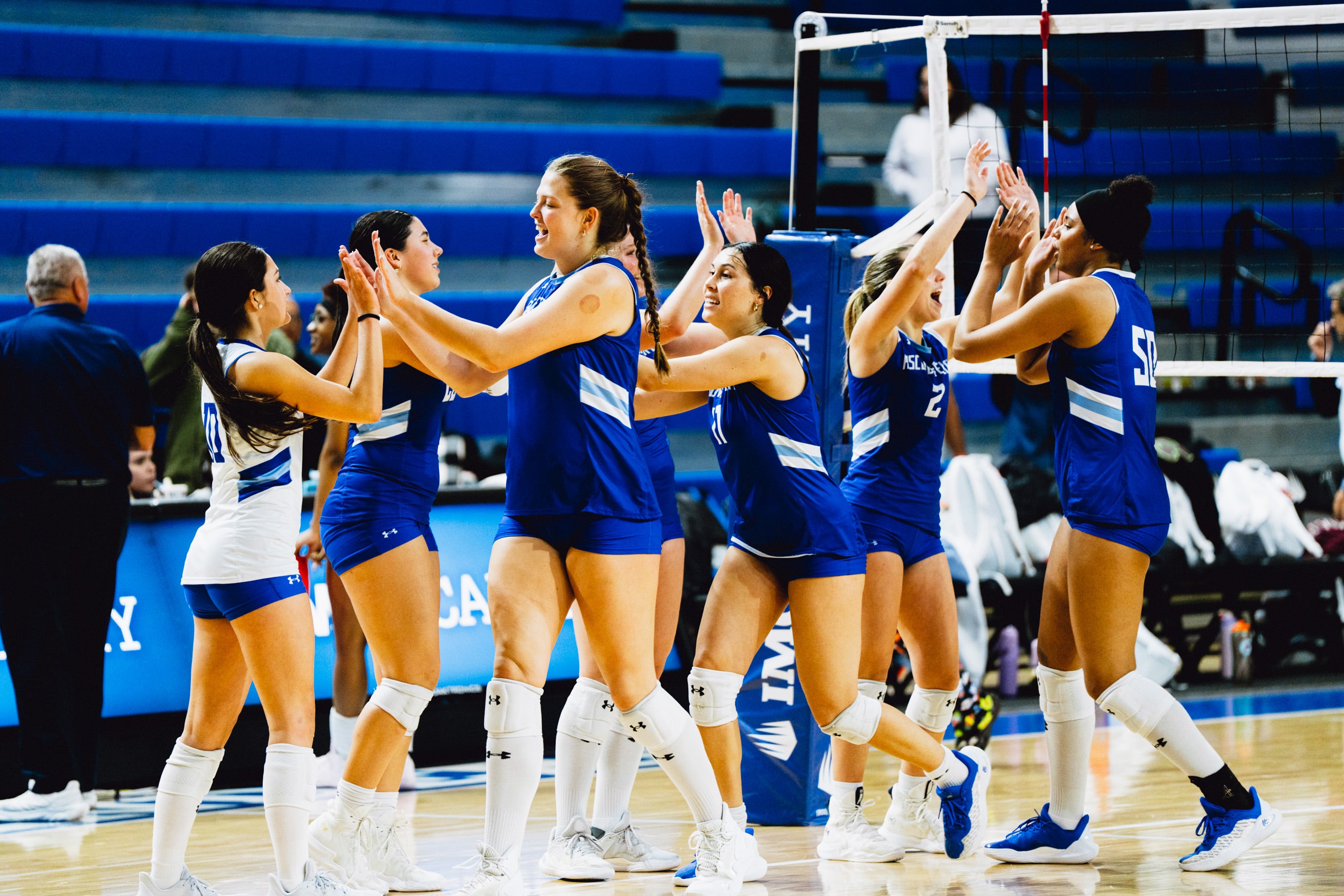
Getting better at volleyball doesn’t happen overnight, but with the right training, structure, and mindset, you can accelerate your development and stand out on the court. Whether you’re aiming to make your school team, compete at the club level, or get recruited to play in college, improvement comes down to mastering fundamentals, training with purpose, and developing your athleticism.
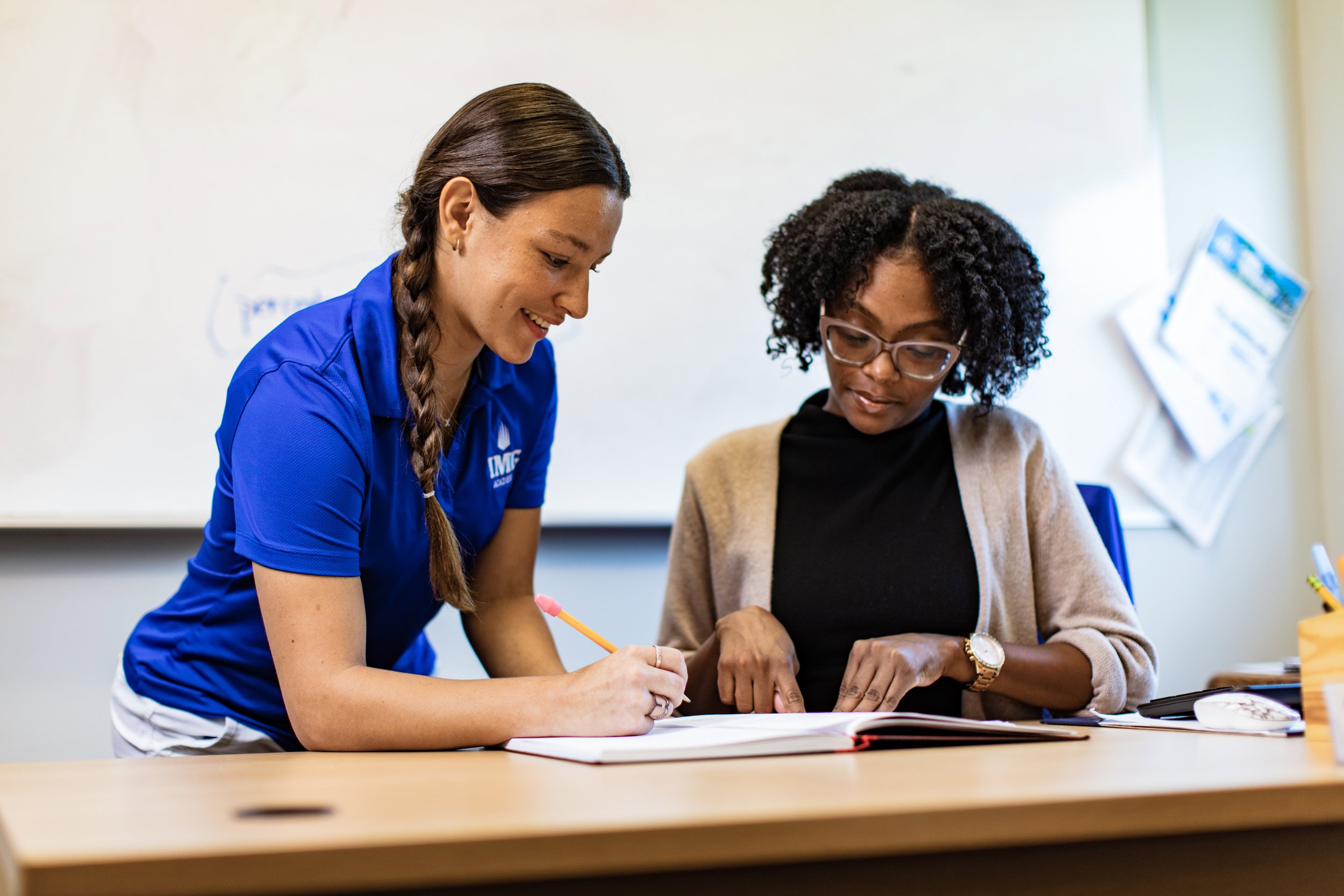
“Every great volleyball player starts with a strong foundation. Focusing on the core skills and practicing them consistently is the fastest way to improve,” according to advice from former college coach Lana Doubravsky, an assistant director of volleyball operations at IMG Academy.
Learn how to prevent injuries with drills from IMG Academy Essentials
Why Improving in Volleyball Requires Skill, Athleticism, and Consistency
Volleyball requires a combination of technical ability, physical explosiveness, and game IQ. Players need to consistently refine their skills while also improving strength, speed, and endurance. The best athletes train with purpose, repeat fundamentals daily, and stay committed to long-term improvement. They also develop confidence in their game and themselves and communicate well with their teammates to make sure they’re working as a unit.
How to Get Better at Volleyball Fast
The fastest way to improve in volleyball is to focus on fundamentals, train consistently, and seek quality coaching, which can be found at IMG Academy’s boarding school program or year-round camps. Athletes should also play on a team – those who are looking to get recruited to play volleyball in college should gain exposure and experience by competing in tournaments and showcases. Athletes who improve quickly often combine technical training with athletic development and game experience. Setting goals for each practice session, studying the game, and applying feedback immediately can accelerate progress.
Key Skills Every Volleyball Player Should Develop
Serving and Consistency
Serving is your first opportunity to score and disrupt the opposing team’s offense. Players should focus on developing a reliable overhand serve before adding power or advanced techniques. Accuracy and consistency are more valuable than serving hard with frequent errors. Strategic serving can force opponents out of system and create scoring opportunities.
Passing and Ball Control
Passing is one of the most important skills in volleyball because it starts every offensive play. Strong passers create opportunities for their team to score. Players should focus on staying low, moving their feet to the ball, and maintaining a strong platform. Consistent passing improves overall team performance and offensive efficiency. “Passing is about control and consistency. Keep your arms straight, wrists together, and form a solid platform to direct the ball where you want it to go,” advises Doubravsky. “Focus on moving your feet to get behind the ball instead of reaching, which helps keep your passes accurate.”
Hitting and Attacking
Hitting combines power, timing, and shot selection. Developing a consistent approach and learning to contact the ball at the highest point possible are essential for becoming an effective attacker. Great hitters rely on timing and smart decision-making, not just raw strength.
Setting and Court Awareness
Setters control the pace and flow of the offense. Even non-setters benefit from improving setting skills because it enhances overall ball control and volleyball IQ. Players should focus on hand positioning, touch, and reading the court to make better decisions during rallies. Focus on reading the play and watching the opposing player, not the ball. One way to improve your game? Watch high-level play. “Pay attention to positioning, decision-making, and timing not just highlights. You’ll start to understand the game better, which translates into smarter play,” says Doubravsky.
Footwork and Movement
Quick and efficient footwork helps volleyball players react faster and stay balanced during play. Strong movement skills improve transitions between offense and defense while helping athletes maintain better court positioning.
How to Improve Your Vertical Jump for Volleyball
A strong vertical jump is critical for attacking and blocking. Volleyball players can improve their vertical jump through lower-body strength training, plyometrics, and explosive movement exercises. Squats, lunges, box jumps, and jump training drills help build power and explosiveness. Improving core strength and mobility also contributes to better jumping ability and overall athletic performance.
Best Drills to Improve Volleyball Skills
Passing Drills
Partner passing, wall passing, and serve receive drills help players improve control and consistency. Repetition builds confidence and develops the ability to handle game-speed situations under pressure.
Hitting Drills
Hitting is a combination of timing, footwork, and power. Develop a consistent approach (3-step or 4-step) and focus on jumping straight up to meet the ball at your highest point. Good timing matters more than strength, so work on syncing your approach with the setter.
Serving Drills
Serving is your chance to score, so consistency is key. Start with a reliable overhand serve and focus on accuracy before adding more power. A well-placed serve can put the other team out of sorts and give your team an advantage.
Footwork and Movement Drills
Agility ladders, cone drills, defensive shuffle exercises, and reaction drills improve quickness and movement efficiency. These exercises help athletes react faster and maintain balance during fast-paced rallies.
Want to See These Volleyball Drills in Action?
Access 15 technical and tactical drills built by IMG Academy coaches — covering defense, passing, setting, attacking, serving, and blocking. Each drill is under a minute to watch.
Free for 7 days
Unlock all 15 tennis drills plus 100+ resources across every sport. Renews at $120/year — cancel anytime.
Start free trial
Already a member? Log in
Strength and Conditioning for Volleyball Players
Volleyball is an explosive sport that requires strength, speed, and endurance. Exercises like squats, lunges, core work, and plyometrics (jump training) will help you jump higher and move faster.
Plyometric exercises and agility training also help improve explosiveness and quick directional movement. For strong healthy shoulders in any sport, athletes can try what’s known as the Cuban Press. You can use any light weight you have and lift your elbows to the side, rotate up, lift overhead, come back to shoulder height and back down.
How Often Should Volleyball Players Practice?
Most volleyball players should practice multiple times per week to see steady improvement. Beginners may benefit from two to three focused sessions weekly, while advanced athletes often train five or more days per week. Consistent, high-quality reps are more important than long, unfocused practices.
Weekly Training Plan for Volleyball Players
A balanced volleyball training schedule should include:
- Volleyball skill sessions focused on fundamentals
- Strength and conditioning workouts
- Plyometric and agility training
- Competitive gameplay or scrimmages
- Recovery and mobility work
Combining skill development with athletic training helps athletes improve performance while reducing injury risk.
Common Mistakes That Slow Volleyball Progress
Players often struggle to improve because they neglect fundamentals, train inconsistently, or focus only on gameplay. Poor footwork, inconsistent serving, lack of communication, and skipping recovery can all slow development. Athletes who prioritize technique and structured training tend to improve faster.
How Volleyball Camps and Training Programs Can Help
Volleyball camps and training programs provide athletes with expert coaching, structured development, and competitive training environments. Players gain valuable repetitions, improve their technique, and learn advanced game strategies. Training alongside strong competition can also help athletes develop confidence and accelerate improvement.
IMG Academy offers year-round camps tailored to each player’s level of experience and skill. You can find your camp here for girls and here for boys.
See more about IMG Academy’s camps in the video below:
Final Tips to Improve Your Volleyball Performance
Improving at volleyball requires patience, discipline, and consistent effort. Focus on mastering fundamentals, training athletically, and learning the game at a deeper level. Set goals, stay coachable, and challenge yourself during every practice session. Small improvements made consistently over time can lead to major long-term development.
FAQs About Getting Better at Volleyball
How can I get better at volleyball fast?
Focus on mastering fundamentals, training consistently, improving athleticism, and getting feedback from experienced coaches or trainers and watching high-level volleyball.
What skills matter most in volleyball?
Serving, passing, hitting, setting, communication, and movement are all essential skills for volleyball success.
How can I improve my vertical jump for volleyball?
Strength training, plyometric exercises, jump training, and mobility work can help improve vertical jump performance.
How often should volleyball players practice?
Most athletes benefit from practicing two to five times per week depending on their skill level and goals.
What drills help beginners improve?
Passing drills, serving repetitions, partner ball-control exercises, and footwork drills are excellent for beginners learning the fundamentals of volleyball.