Baseball Nutrition Guide

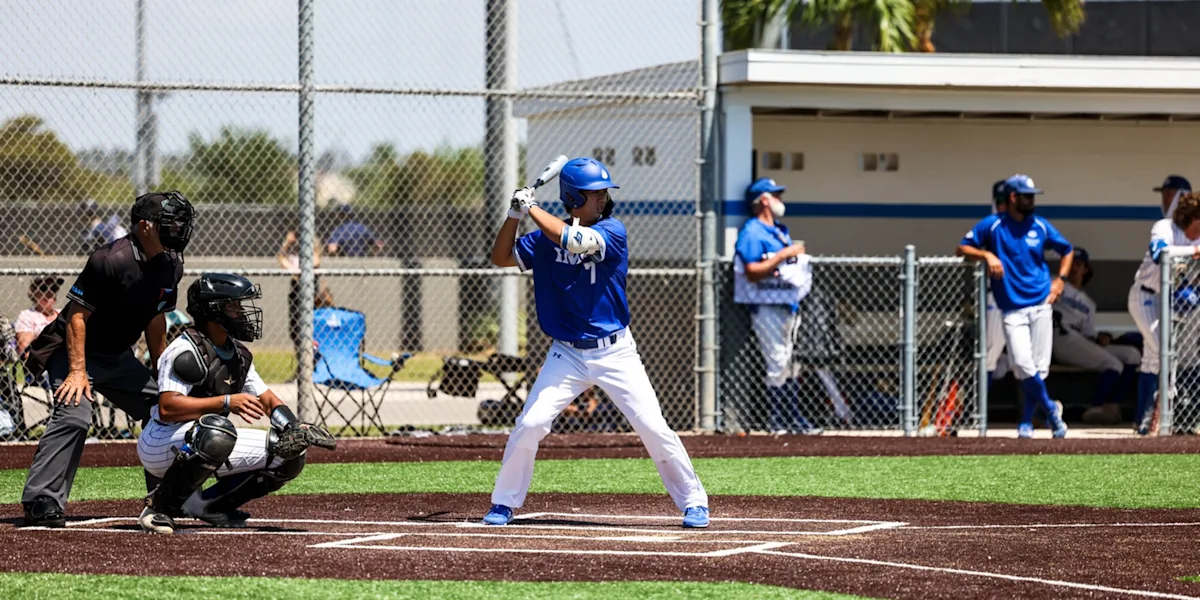
Baseball nutrition can be tricky because the game demands more from you than it seems. The game’s stop-start rhythm makes it easy to under-fuel without realizing it.
Add long games and doubleheaders, and a good fueling plan pays off even more. What you eat and drink can determine whether you maintain focus and power in the late innings or fade when your team needs you most.
You don’t need a complicated diet to fuel baseball well. A food-first baseball nutrition plan can give you steady energy and help you recover faster between games and practices. We’ll cover what to eat and drink before, during, and after the game.
Key Takeaways
Baseball’s stop-start rhythm requires more energy than you may think.
Steady eating across the day beats one big pregame meal.
Build a base on carbohydrates for energy, protein for muscle repair, and healthy fats, fruits, and vegetables for overall health and recovery.
A familiar, carb-forward meal about three to four hours before first pitch gives you a solid base. A small, easy-to-digest snack closer to game time can top you off.
Pack a quick carbohydrate for dugout snacks, and sip fluids between innings, since even mild dehydration can dull focus and reaction time.
What a Long Baseball Day Asks of Your Body
A baseball day is long, and the effort comes in bursts. You may spend much of the game standing or waiting, then suddenly give everything you have on a pitch, swing, throw, or sprint to first. Stretch that pattern across an extra-inning game or a tournament weekend, and your energy stores can run down over many hours if you haven’t been eating and drinking along the way. That’s why you can feel drained late in a game even when you haven’t been running nonstop.
Nutrition for baseball players works best as steady fueling throughout the day. One giant pregame meal can’t do the job alone. "Regular fuel keeps energy available when those explosive moments arrive,” said Katie Ryan, senior performance dietitian at IMG Academy.
A 2025 study of college baseball players found that many ate less than their sport demanded, with carbohydrate intake falling especially short. So, even college baseball players often come up short on fuel, and the habits start young.
Nutrition for Baseball Players: The Basics
Before getting into gameday fueling, it helps to start with what you eat every day. A strong baseball nutrition plan starts with three key nutrients:
Carbohydrates: Serves as your primary fuel source for practices and games
Protein: Aids muscle repair and helps you build and maintain lean strength
Healthy fats, fruits, and vegetables: Promote overall health, steady energy, and recovery
A 2025 review of adolescent nutrition, which looks at young athletes across all sports, points to about:
6 to 10 grams of carbs per kilogram of body weight per day (2.7 to 4.5 grams of carbs per pound of body weight)
1.4 to 2 grams of protein per kilogram of body weight (0.6 to 0.9 grams of protein per pound of body weight),
20% to 35% of your daily energy intake as fat
Here’s what those carbohydrate and protein ranges could look like across a few different body weights:
Body weight | Carbohydrate per day* | Protein per day* |
110 lb (50 kg) | 300–500 g | 70–100 g |
140 lb (64 kg) | 384–640 g | 90–128 g |
170 lb (77 kg) | 462–770 g | 108–154 g |
200 lb (91 kg) | 546–910 g | 127–182 g |
*These are illustrative ranges, not personal prescriptions. Your needs can vary based on age, growth, training load, and other factors.
So, what might this look like in everyday meals?
Breakfast: Oatmeal with berries, milk, and eggs
Lunch: A turkey-and-avocado sandwich with fruit and a side of carrots or cucumbers
Dinner: Grilled chicken, rice, roasted vegetables, and avocado
Snack: Greek yogurt with granola and a banana
Because you're still growing, getting enough food matters for more than baseball performance. Consistently under-fueling can slow recovery and interfere with healthy development. A sports dietitian or IMG Academy nutrition coaching can help you determine individual nutrient needs and create a custom meal plan.
Game-Day Fueling: Pregame Meals and Doubleheaders
A good baseball nutrition strategy includes a familiar, carb-forward meal about three to four hours before first pitch. Your meal might include:
Oatmeal with fruit and eggs
A turkey sandwich with fruit
Rice with chicken and vegetables
If you get hungry closer to game time, keep the top-off small and easy to digest, such as:
A banana
Some pretzels
A small granola bar
Doubleheaders require another plan. By the end of game one, your body has used some of its stored energy, and going into the second game with only water can leave you feeling tired and unfocused.
A 2024 review of athletes’ nutritional needs recommends eating a recovery meal within about two hours after exercise because the carbohydrates help restore the stored energy your muscles have used. So, as soon as game one ends, refuel with carbohydrates, some protein, and fluids.
A few options include:
Greek yogurt with granola and berries
Chocolate milk with a peanut butter sandwich
Bagel with almond butter and a banana
Remember, stick with foods you already know your stomach handles well. Game day is not the time to experiment.
If you want to map out your full day of eating, use our guide to build your fueling timeline.
Smart Dugout Snacks (Not Just Sugar)
Candy and soda can give you a sugar-fueled burst of energy, followed by a fast and hard crash. For baseball players, the goal of sports nutrition is steady energy throughout the game.
A simple game-day fueling rule is to pair a quick carbohydrate with a little protein. Here are some healthy snack options:
Fruit with jerky
A peanut butter sandwich
Trail mix
Pretzels with string cheese
A banana with nuts
Keep water in your bag, too. On hot days or during long stretches outside, an electrolyte drink can help replace fluids and electrolytes.
Packaged snacks can work, but some “energy” bars are little more than candy in disguise. Take a moment to read the nutrition label and look for a snack that provides useful carbohydrates and protein.
Hydration: Staying Sharp Through a Long Game
You’re not running the whole game, but hydration is a big piece of sports nutrition for baseball players. You need sharp focus and quick reactions, as baseball asks you to do things like read pitches and track a ball off the bat.
Even mild fluid loss can affect physical performance and thinking skills. That’s a big deal in a sport where a split-second reaction or decision can change a play.
On a sunny three-hour game day or during a doubleheader, sweat can add up quickly, and thirst can lag behind. Research shows that athletes can lose around 1.5 liters of fluid before they feel thirsty.
Keep your hydration strategy simple:
Sip between innings: Drink regularly when your team comes off the field instead of waiting until you’re thirsty.
Check your urine: Look for a pale-yellow color before the game and throughout the day as a general sign of good hydration.
Plan for the heat: Bring an electrolyte option for hot games, tournaments, and doubleheaders.
Not sure exactly how much fluid you need before, during, and after a game? Our guide to how much water athletes should drink shows how to estimate your daily needs.
Nutrition Strategies for Different Baseball Positions
Every position asks for something different of your body. Your fueling strategy can reflect those differences while keeping the same food-first basics in place. “For those who might have some high anxiety on game days, IMG Academy+ Personal Coach could be beneficial to help with the mental performance that affects nutrition,” added Ryan.
Position | Physical demand | Nutrition focus | Example |
Pitchers (starters) | Sustained focus and repeated high-effort pitches over a long outing | Steady energy without a heavy pregame meal; small carb top-offs between innings | Carb-forward meal 3–4 hours before the game, such as a turkey sandwich and fruit; easy carbs between innings and water throughout the game |
Catchers | Constant squatting, blocking, and throwing in full gear, often in the heat | Consistent fueling with extra attention to hydration | Banana or jerky between innings; water or electrolytes throughout the game |
Infielders | Frequent short, explosive bursts inside long stretches of standing and waiting | Steady fueling with quick carbs available between innings | Pretzels or a granola bar between innings; water throughout the game |
Outfielders | Longer sprints and extended periods of waiting, often with direct sun exposure | Steady fueling and hydration throughout the game | Fruit between innings; water throughout the game |
Positions differ, but the basics of baseball nutrition, from pitches to catchers, stay the same. Start well-fueled, stay hydrated, and stick with foods you already know on game day.
How IMG Academy Helps Student-Athletes Fuel for Baseball
Good baseball nutrition is easier to put into practice with a clear routine and the right guidance. IMG Academy+ Essentials puts expert-built nutrition education in your pocket, with courses and workshops covering:
Fueling timelines
Game-day and recovery eating
Hydration
Smart snacks
It gives families a practical framework for turning steady fueling into an everyday habit.
For more individualized support, IMG Academy+ Personal Coach connects you with a credentialed performance dietitian for one-to-one nutrition coaching. Together, you can build a food-first baseball nutrition program around your position, schedule, and goals, with check-ins between sessions.
Conclusion: Build Your Baseball Fueling Plan
Because the game is long and stop-start, baseball nutrition needs to support you throughout the entire day. Keep carbohydrates available for late-inning energy, refuel between doubleheader games, and hydrate regularly to stay sharp. Together, these habits can help you maintain quickness and focus while aiding recovery.
Looking for more guidance? We can help in one of two ways:
Turn to IMG Academy+ Essentials for on-demand nutrition, training, and recovery content you can use on your own schedule.
Work with an IMG Academy+ Personal Coach to create a custom food-first plan based on your schedule and goals.
Frequently Asked Questions
How do I keep energy steady through a long game with lots of standing around?
Fuel consistently throughout the day rather than relying on one large pregame meal. Easy carbohydrates such as fruit, pretzels, or a granola bar between innings can help keep energy available during a long game.
What should a pitcher eat differently on a start day?
Pitchers might stick with a familiar carb-forward meal a few hours before the game, followed by a light top-off before warm-ups. Small amounts of easy carbohydrates and fluids between innings can help support focus and energy during a long outing.
How do I fuel for a doubleheader without crashing in game two?
Refuel as soon as the first game ends and don’t rely on water alone. Carbohydrates, a little protein, and fluids can help replenish the energy used during game one before the second game begins.
What are good dugout snacks that aren’t just sugar?
Choose a snack that pairs a quick carbohydrate with a little protein, such as fruit and jerky, a peanut-butter sandwich, trail mix, or pretzels and string cheese. This combination provides a more balanced source of energy than candy or soda alone.
How do I eat to stay quick and explosive rather than just bigger?
Fuel consistently and get enough protein to support muscle repair and strength while allowing your training to drive power. Because baseball depends on quickness and explosive movement, a sports dietitian can help customize a nutrition plan for lean muscle to your individual needs in growth, training, and body composition.
Does hydration matter as much in a low-movement sport like baseball?
Yes, because baseball depends on focus and quick reactions as much as physical movement. A 2024 review of athletes’ nutritional needs found that even mild fluid loss can affect physical performance and cognitive function, so regular water intake matters during long games and hot tournament days.