Basketball Nutrition Strategy for Teen Athletes

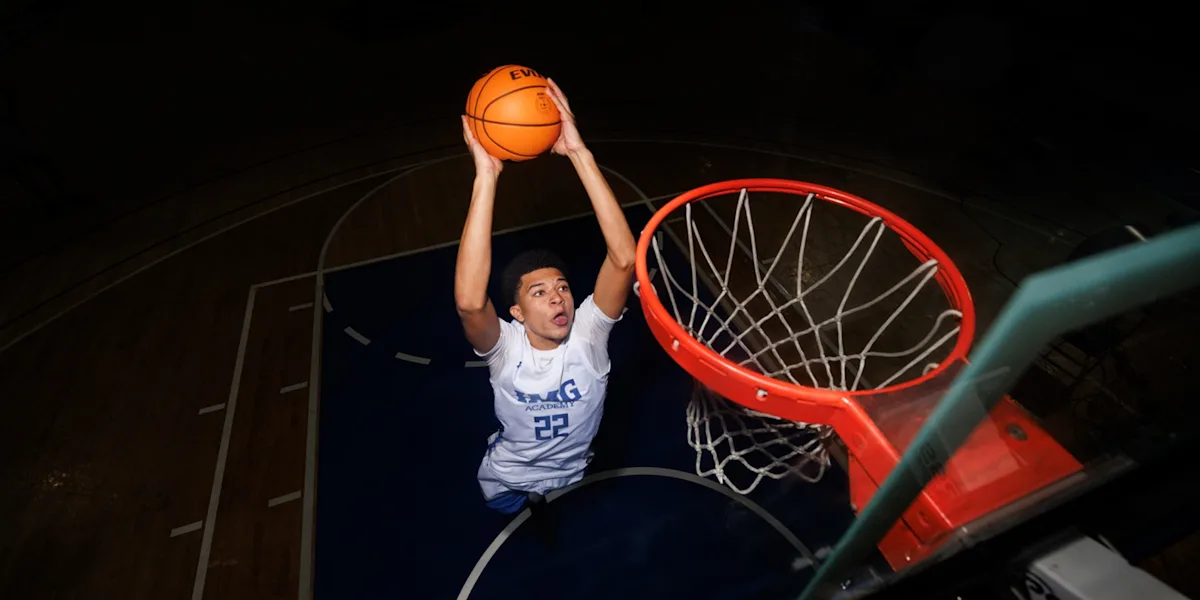
Basketball nutrition starts with building a performance plate with an emphasis on carbohydrates. Basketball is a stop-and-go, high-intensity sport, and carbs give you the energy to stay quick, jump high, and keep making plays when the fourth quarter gets tough.
In addition to carbs, eating the right fats and proteins can help you sustain energy and recover quickly.
In this guide, we’ll cover:
What to eat on regular days
When to eat before a game
What to eat and drink during and between games
How to stay hydrated
How to refuel afterward
We’ll keep things simple and food-first, so you can build practical habits without getting bogged down in complicated numbers or weight goals. These strategies are meant to provide general guidance for giving your body the food and fluids it needs to perform and recover.
For more personalized help, consider working with a nutrition coach who can customize a meal plan to your body and goals.
Why Basketball Burns Through Fuel Fast
Basketball asks you to sprint, jump, cut, and defend hard, often with only short breaks between efforts. Your muscles rely heavily on glycogen, which is simply the carbohydrate your body stores for quick energy. When those stores start running low, your power and work rate can drop and cause your legs to feel heavy late in a game. “Basketball is a non-stop sport,” said Katie Ryan, senior performance dietitian at IMG Academy. “You’re running back and forth between offense and defense with few breaks.”
A 2023 review of basketball nutrition found that players often fall short on both fueling and hydration. That’s a problem because you can’t expect your body to perform at its best if you don’t give it enough food and fluids to work with.
Throughout this guide, we’ll focus on a simple strategy: fill your tank with regular meals and snacks, top it off before you play, and refill it between games and hard efforts. Good sports nutrition for basketball players doesn’t have to be complicated; it’s about giving your body what it needs, when it needs it.
Carbohydrates: The Fuel That Keeps You Strong Late in the Game
Carbohydrates should be the foundation of your daily eating because they help keep your muscles stocked with glycogen. Remember, glycogen is the fuel your body needs to sprint, jump, and stay strong through four quarters and overtime.
When thinking about nutrition for basketball players, that means getting quality carbs at most meals and snacks, paired with protein, anti-inflammatory fats and vegetables.
High-quality carb sources include:
Rice
Pasta
Oats
Potatoes
Fruit
Whole-grain bread
A 2025 review of adolescent-athlete nutrition puts young athletes’ daily carbohydrate needs at roughly 6–10 grams per kilogram of body weight, with more needed on harder training days.
For a 150-pound (68 kg) athlete, that’s about 410–680 grams across the day and several meals.
Here’s a simple sample menu:
Oatmeal with fruit at breakfast
A turkey sandwich and fruit at lunch
Rice or pasta with chicken and vegetables at dinner
Snacks such as yogurt with granola or a banana with peanut butter
On demanding days, add more carbs to your meals and snacks.
For a visual guide, see how to build your performance plate.
Fats: Steady Energy That Supports the Rest of Your Diet
Fat gives you a concentrated source of energy that your body can use over longer periods. It also helps you absorb certain vitamins and supports important body functions like building healthy cells and making hormones. For your basketball nutrition diet, think of fat as part of the bigger picture rather than something you need to focus on immediately before or during a game.
The 2025 review of adolescent-athlete nutrition points to fat making up roughly 20–35% of daily calories. As a ballpark example, a 150-pound (68 kg) player eating around 2,800–3,200 calories might get roughly 60–125 grams of fat throughout the day.
Here are some meals and snacks featuring healthy fat:
Peanut butter on whole-grain toast
Avocado with eggs
Olive oil on a dinner salad
Salmon with rice and vegetables
A handful of almonds with a piece of fruit
Remember: You don’t need to hit a specific fat number. Choose healthy fats most of the time and keep trans fats and heavily fried or highly processed foods as occasional treats.
Protein: Building and Repairing Muscle
Every practice and game puts stress on your muscles. Protein gives your body the building blocks it needs to repair that muscle and adapt to training, which helps you come back ready for your next workout or game.
The 2025 review suggests young athletes get somewhere around 1.4–2 grams of protein per kilogram of body weight each day, spread across meals. For a 150-pound (68 kg) athlete, that’s roughly 95–135 grams over the course of the day.
Your goal isn’t to eat all your protein in one meal. It’s to include a good protein source in every meal and snack throughout your day.
You can get there with foods you already know, such as:
Eggs and milk at breakfast
Greek yogurt and fruit as a snack
Chicken or beans with rice at lunch
Fish or beef with vegetables and potatoes at dinner
A performance dietitian can help fine-tune a meal plan that fits your individual needs.
Hydration and Beating Late-Game Cramps
Basketball players can lose a lot of fluid through sweat, yet many start practices or games already under-hydrated. A 2023 review found basketball players lose roughly a liter of sweat per hour, and starting dehydrated can hurt energy and focus while adding to the risk of cramps.
When we talk about nutrition for basketball, hydration must be part of the plan. Aim to drink throughout the day, replace what you lose through sweat, and sip regularly during long practices or games. The 2025 nutrition review suggests young athletes drink about 3–8 ounces of fluid every 20 minutes during activity, although your needs will vary with heat, sweat rate, and how hard you’re playing.
Important note: Cramps are more complicated than simply needing more salt. They’re closely tied to muscle fatigue and heavy fluid loss, so there’s no magic electrolyte fix. Your best defense is good conditioning, keeping your carbohydrate stores topped up, and staying on top of fluids before and during activity. If you’re a heavy or salty sweater, a sports dietitian can help you build a more personalized hydration plan.
What to Eat Before Practice and Games
A good basketball nutrition plan starts before you arrive at the court. "Start focusing on good fueling habits and hydration two to three days leading up to the game,” said Ryan. “Your goal is to show up fueled without feeling overly full or sluggish. Use this simple timeline as a starting point:
When | What to do |
3–4 hours before | Eat a performance plate with carbohydrates and protein, such as chicken and rice with vegetables, or a turkey sandwich with fruit. |
30–60 minutes before | If you’re hungry or need a boost, choose a small, easy-to-digest carb-focused snack such as a banana, piece of toast, or granola bar. |
Throughout the lead-up | Drink fluids regularly so you don’t start practice or a game already behind on hydration. |
As tip-off gets closer, keep heavy, high-fat foods and very high-fiber foods to a minimum. They can take longer to digest and may leave you feeling uncomfortable during quick starts, stops, and changes of direction.
Everyone’s stomach is different, so practice your routine during training rather than trying something new on game day. For more help, use this guide to build a fueling timeline.
Nutrition Strategy for Basketball Tournaments
Tournament days are all about staying ready for the next game. As soon as one game ends, grab an easy carbohydrate source with a little protein to start replacing the fuel you used and support muscle recovery.
Keep between-game food simple and easy to digest. Try:
A banana with Greek yogurt
A granola bar with milk
A turkey sandwich
Some fruit with a handful of nuts
A smoothie
A protein bar
If you’re not ready for solid food, a sports drink with yogurt or milk can be an easier starting point. You’re not trying to eat a full meal between games. You’re just giving your body something it can use while you get ready to play again. Keep sipping fluids, too, especially if you’re still sweating.
Recovery: Eating to Stay Lean and Strong
Rest isn’t time off from getting better. It’s when your body gets the chance to repair, adapt, and come back stronger.
Skipping recovery or trying to eat less to “stay lean” can backfire, leaving you with less energy and strength while potentially increasing your risk of injury. A strong basketball player’s diet and nutrition plan includes enough food throughout the day to support the work you’re asking your body to do.
On recovery days, focus on lighter movement or full rest, quality sleep, and regular meals that include protein and carbohydrates. Protein helps repair muscle, while carbohydrates help refill the fuel you used during training and games.
For a growing teen, consistently under-eating can affect energy, strength, performance, and long-term health. You don’t need to figure out your individual needs alone. If you have questions about how much or when to eat, talk with a qualified performance dietitian or explore nutrition coaching for more personalized guidance.
How IMG Academy Helps Student-Athletes Fuel for Basketball
Knowing what to eat is one thing. Making basketball nutrition part of your everyday routine is another.
IMG Academy+ Essentials gives student-athletes expert-built, on-demand content covering nutrition, training, and mental performance. Its nutrition content includes practical resources like the performance plate and fueling timeline, while the app’s progress-tracking tools help you put those strategies into practice and stay consistent.
When your needs are more specific, IMG Academy+ Personal Coach provides live, one-on-one sessions with registered dietitians. Your dietitian can help build a food-first fueling plan around your position, training schedule, games, and tournament calendar.
Together, these resources provide practical guidance you can use on your own, with professional support when your situation calls for a more individualized approach.
Conclusion: Build a Basketball Nutrition Strategy That Lasts
A strong basketball nutrition strategy is built on a few consistent habits:
Fuel daily: Eat enough carbohydrates to keep your energy high and body ready for practice and games.
Fuel before playing: Top off with an easy-to-digest carbohydrate meal or snack before tip-off.
Refuel between games: Replace used fuel and support recovery as soon as you can after playing.
Hydrate throughout: Drink regularly and replace the fluids you lose through sweat.
Recover consistently: Eat enough protein and carbohydrates, prioritize sleep, and give your body time to adapt and get stronger.
Want to fuel smarter for your next game? IMG Academy+ Essentials gives you on-demand guidance across nutrition, training, and mental performance, plus tools to track your progress.
Have questions about your individual nutrition needs? IMG Academy+ Personal Coach gives you a personalized basketball nutrition guide from a registered dietitian who can help you build a plan that fits your training and competition schedule.
Frequently Asked Questions
How do I keep energy up through four quarters plus overtime?
Fuel consistently before and during long games. Eat carbohydrates throughout the day, top off before playing, sip fluids during breaks, and use a quick carbohydrate source if overtime or a long game demands it.
What should a basketball player eat between games on a tournament day?
Choose easy-to-digest carbohydrates with some protein. Try fruit with Greek yogurt, a smoothie, or a turkey sandwich, and start refueling soon after your game instead of waiting until you get home.
Does nutrition for a guard differ from what a post player needs?
The basics stay the same, but total needs can differ. Guards may need to focus on fueling repeated sprints, while larger post players may need more overall food to support their size and recovery.
How do I fuel for the constant sprinting without cramping late in the game?
Start well-fueled and hydrated, then stay consistent. Cramps are linked to muscle fatigue and fluid loss, so conditioning, eating enough carbs, and regular hydration are more important than relying on one electrolyte solution.
What's the right pregame meal timing for back-to-back games?
Eat a balanced meal three to four hours before playing. If needed, add a small carbohydrate snack closer to tip-off, then choose quick, easy-to-digest foods between games to keep refueling.
How do I eat to stay lean but strong enough to hold position?
Don’t cut food to try to stay lean. Teen athletes need enough fuel for growth, training, recovery, and strength, so individual nutrition needs are best addressed with a qualified sports dietitian.