Nutrition Plans for Young Football Players

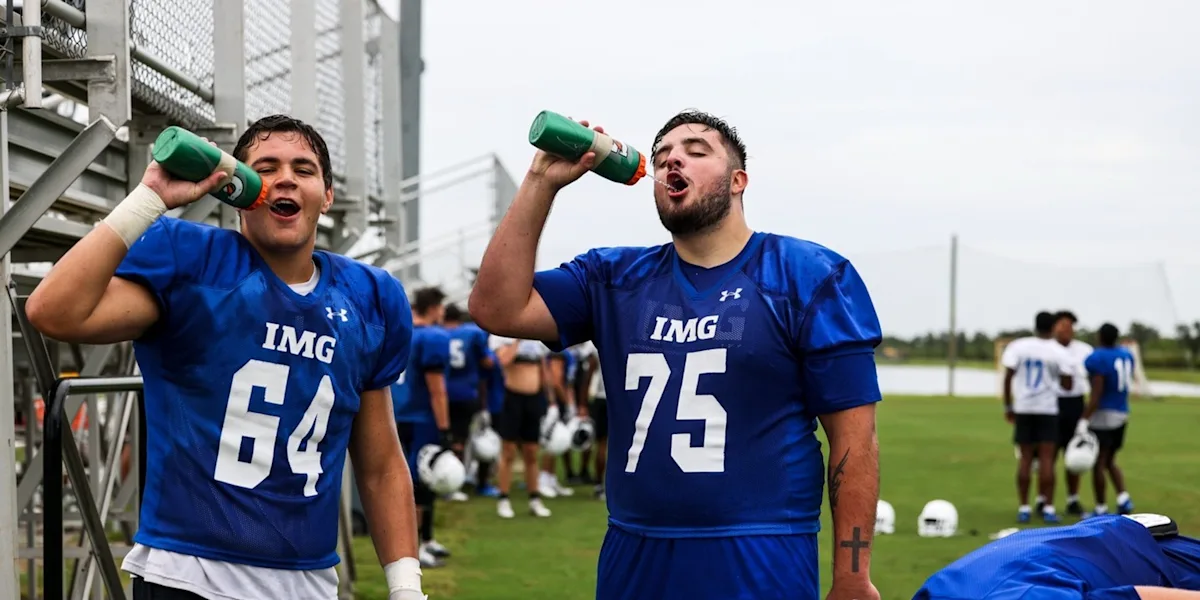
Football nutrition starts with eating enough to fuel everything the game asks of you. That means everything from hard hits and powerful sprints to the steady energy that carries you through the final whistle. The right foods also support strength and healthy growth as your body develops.
What you eat and drink can be the difference in how you hold up late in the game, especially when playing in full pads in the heat. This guide starts with the nutrients your body needs and how food fuels healthy development. Then we’ll discuss game day nutrition, from what to eat beforehand to how to stay hydrated once the heat sets in. You’ll also learn how to recover well between practices and games.
Key Takeaways
American football nutrition for student-athletes starts with eating enough to power your practices and games while supporting healthy growth.
What you need depends on your position. A lineman and a wide receiver, for example, eat for different jobs and body types.
Carbs power your workouts, and protein and healthy fats support recovery and development.
Build strength with consistent training and balanced meals rather than rushing physical changes.
Hydrate before, during, and after you play, and take any signs of heat illness seriously.
Refuel after practice with carbs and protein, and get enough sleep to recover for the next day.
What Football Asks of Your Body
Football is a stop-and-go sport built around short bursts of intense effort followed by rest. Research shows that a typical high school football play lasts just a few seconds, but each one requires quick, powerful movements. Add a helmet and pads that trap heat, and staying fueled and hydrated becomes even more important.”
Those bursts of effort take energy. Carbs help fuel your movements on the field, while protein supports muscle repair between practices and games. A 2025 review of teen sports nutrition points out that you need enough total food to cover both your training and your development, not one at the expense of the other. That’s the foundation of strong sports nutrition for football players.
“Good nutrition and hydration can make or break how you show up to practice and a game and will impact how you can make it through all four quarters or drop out and not have the best play possible,” said Sina D’Amico, a performance dietitian at IMG Academy.
Good habits start long before practice. And that starts with what and when you eat. If you skip breakfast or rush through lunch, you can walk onto the field already running low, no matter how well you eat at dinner. So spread balanced meals across your day, and build a performance plate that keeps your energy steady from first bell to final whistle.
Football Nutrition Building Blocks: Carbs, Protein and Fat
Carbs, protein, and fat are your three main macronutrients, which are the nutrients your body needs in larger amounts. Carbs power your repeated bursts of effort. Protein repairs and rebuilds the muscle that contact breaks down. And fat gives you steady energy and helps your body absorb certain nutrients.
Carbs deserve extra attention in football nutrition. A 2017 study of college football student-athletes found that a small group of linemen ate only about 70% of the carbs recommended for their training, even though they were eating plenty of food overall. And that’s the catch. Eating a lot isn’t the same as eating enough of the right fuel. You can take in big calories and still come up short on the carbs that power your sprints and blocks, which is why carbs are worth tracking just as closely as protein.
The table below outlines ideal macronutrient intake ranges based on sports nutrition research.
Nutrient | What It Does for a Football Player | Research Range | Example Food Choices |
|---|---|---|---|
Carbohydrates | Main fuel for repeated sprints and hard efforts | About 3–4.5 grams per pound daily, depending on training demands; about 45%–65% of daily calories | Rice, pasta, oats, potatoes, whole-grain bread, fruit |
Protein | Helps repair and rebuild muscle between sessions | About 1.5 to 2 grams per kilogram of body weight daily, spread across meals; about 10%–30% of daily calories | Eggs, chicken, lean beef, fish, Greek yogurt, milk, beans, tofu |
Fat | Provides energy and helps your body absorb certain vitamins | About 25%–35% of daily calories | Nuts, nut butter, avocado, olive oil, salmon |
These are general research ranges, not personal targets. Your needs will vary based on your growth, position, and training schedule. A performance dietitian can help personalize your plan.
How to Add Size the Right Way
Adding size and strength comes down to training consistently, eating enough food, and committing to recovery. "Eating as much as possible won’t necessarily lead to better results, said D’Amico. “The goal is giving your body enough quality fuel to train hard and grow, day after day.”
It can be tempting to load up on protein, especially if your ultimate goal is to get bigger. But past a certain point, extra protein doesn’t build extra muscle. The 2025 review of teen sports nutrition referenced earlier notes that most student-athletes who eat enough balanced food already meet their protein needs. What drives growth is eating enough overall, training consistently, and giving your body time to recover.
If you under-eat for how hard you train, you can stall your performance and your growth at the same time. That's why good nutrition for football players starts with consistent fueling rather than chasing quick physical changes.
Since you’re still growing, work with a coach, physician, and performance dietitian to develop a plan that supports your individual needs and training goals.
Hydration and Heat Safety in Full Pads
Show up to every practice already hydrated and drink water at every break rather than waiting until you feel thirsty. A quick way to see whether you’re on the right track is to check your urine color throughout the day. Pale yellow generally means you're well hydrated, while dark yellow may signal that you need more fluids.
A helmet and pads trap heat, making hydration in full gear even more important. For help building a daily routine, check out our hydration guide for student-athletes.
Hydration helps, but it doesn't prevent heat stroke, which is a medical emergency. In fact, exertional heat stroke is the leading preventable cause of death in high school and collegiate football players, according to a 2026 National Federation of State High School Associations (NFHS) report.
So, know the warning signs. If a fellow player becomes confused, starts staggering, or collapses, get the athletic trainer right away. Suspected heat stroke requires emergency medical care and rapid cooling, not simply more water. Work with your coach, athletic trainer, and physician to prepare for practices in hot conditions.
Game-Day Fueling Through the Final Whistle
Game-day fueling starts well before kickoff. A strong nutrition plan for football players includes a carb-focused meal three to four hours before the game and a light, familiar snack closer to kickoff. On the sideline, take small sips of water during breaks and grab easy carbs like orange slices or pretzels when needed.
It’s typically best to stick to foods you've eaten before rather than trying something new on game day. We also don’t recommend eating or drinking anything that’s overly sugary or high in fat, as that could leave you feeling uncomfortable during play.
For more ideas on how to fuel up before big games, check out our guide to the best pregame meal.
Fueling for a Night Game After a Full School Day
If you’re playing after school, time your meals back from kickoff so you’re fueled and done digesting before you take the field. You might start with a balanced lunch that includes carbs and some lean protein, then pack a snack for the afternoon, like a turkey sandwich or a banana with peanut butter.
If you’re hungry closer to game time, choose something light like crackers or fruit. And keep drinking water throughout the school day, so you're not trying to catch up right before warm-ups.
Recover So You Can Practice Hard All Week
Recovery helps you show up ready to play and practice at your fullest potential, and it starts with what you eat and drink after training. A review of youth sports nutrition recommends refueling with carbs and protein after exercise, while also replacing fluids lost through sweat. The carbs help restore your energy, and the protein repairs your muscles.
Try to keep that routine going throughout the day. Build protein into your meals, keep water handy, and treat sleep as part of your training. On busy school days, plan ahead so you’re not skipping meals or missing chances to refuel.
Good nutrition for football student-athletes makes recovery part of your daily routine. Our workshop on post-competition fueling for recovery goes deeper into building a postgame regimen.
Football Nutrition for Different Positions
Every football position benefits from the same balanced foods, but how much you need can vary a lot. Many middle and high school student-athletes play multiple positions, and nutrition needs are individual,” said D‘Amico. Ultimately, good football nutrition for linemen, running backs and every other position starts with matching your meals to your training needs.
Your portions depend on your growth, position, and training schedule. A performance dietitian can help you find the right balance depending on what your demands are in practice and in game and what your specific skill needs are on the field,
How IMG Academy Helps Student-Athletes Fuel for Football
At IMG Academy, football student-athletes are supported with nutrition education and support that helps them perform at their best, said D’Amico.
Many of those tools are now available all over the world.
IMG Academy+ Essentials offers on-demand, expert-developed nutrition resources covering meal timing, hydration, and recovery, alongside training and mental performance content. That way, your football nutrition runs on a real plan instead of guesswork.
For more personalized guidance, IMG Academy+ Personal Coach connects you with a credentialed mentor through live, one-on-one sessions. Your coach can help tailor your football nutrition plan to your position, training schedule, and individual needs. Our approach to nutrition coaching focuses on building habits that support your performance and development.
Conclusion: Build a Football Nutrition Plan You Can Run
Strong football nutrition starts with eating enough to fuel your training and support healthy growth. Build complete plates that have plenty of carbs for fuel, protein for bulk and recovery, and fat for lasting energy. And remember to stay hydrated and prioritize recovery so you're healthy and ready for the next practice or game.
Explore IMG Academy+ Essentials for on-demand resources in nutrition, training, and mental performance. For personalized football fueling guidance, connect with an IMG Academy nutrition coach through IMG Academy+ Personal Coach.
Frequently Asked Questions
How do I eat to add size without getting slow?
Focus on consistent strength training and balanced meals that support healthy growth. Spread protein throughout the day, eat enough carbs to fuel practice, and prioritize sleep. A performance dietitian can help you set realistic goals.
How do I fuel for a long game with bursts of max effort?
Carbs are your main fuel for repeated sprints and hard efforts. Eat a carb-rich meal before kickoff, then choose familiar snacks and small sips of water during breaks to help maintain your energy.
How do I stay hydrated in full pads during summer camp?
Start practice well hydrated and drink water regularly during breaks. Don’t wait until you feel thirsty to hydrate, especially if you’re playing in full pads. If you or someone else show signs of heat stroke, like feeling confused, staggering, or collapsing, seek emergency medical help immediately.
What’s a good pregame meal for a night game after a full school day?
You might choose a lunch rich in carbs with some lean protein, like pasta with turkey meatballs or a chicken and rice bowl. Go light on fat and fiber, then have a familiar snack closer to kickoff. Keep drinking water throughout the afternoon.
How do I recover fast enough to practice hard all week?
Refuel after practice with carbs and protein to support muscle recovery. Drink enough water, eat balanced meals throughout the day, and prioritize sleep so your body has time to prepare for the next session.