Golf Nutrition Guide for Student-Athletes

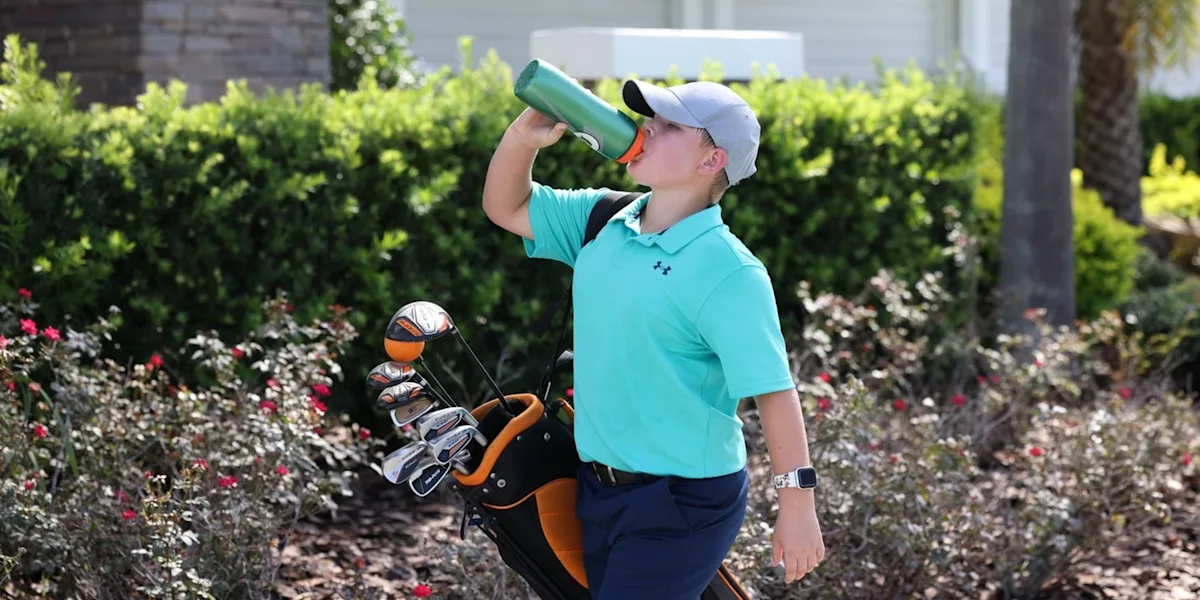
Golf nutrition is one of the few competitive edges you can control on every hole. A four- to five-hour round is a low-grade endurance event that can leave you feeling flat by the time you reach the 18th green.
When you fuel and hydrate well, you’re better prepared to make smart decisions on the back nine. This advantage matters even more when you play 36 holes in one day during a tournament.
In this guide, we’ll explain which nutrients help you perform at your best and how to prepare your body before a round. You’ll also learn how to fuel during play and choose snacks that support steady energy. With the right nutrition plan, you can stay sharp from the first tee to the final putt.
Key Takeaways
Golf may look easy, but a five-hour round can drain your energy and focus.
Carbohydrates fuel your round, protein supports recovery, and fat provides lasting energy.
Eat a balanced meal before tee time and snack every few holes.
Start hydrated and sip fluids throughout the round to stay sharp.
Build your golf nutrition plan around whole foods, not supplements.
What 18 Holes Demands from Your Body
Golf may not look physically demanding, but a competitive round puts your body to work for four to five hours. During that time, you’re walking the course while staying mentally sharp enough to pull off precise shots under pressure.
Studies have found golfers can burn anywhere from about 660 to nearly 2,000 calories per round. The number changes with the type of device researchers used, the golfer, and whether they carried their bag.
Golfers may also walk more than 6 miles by the time they reach the final green. So even if you don’t feel tired early on, your body is still using energy throughout the round.
Without enough food and fluids, you may find it harder to stay focused as the game goes on. The right nutrition for golf approach helps you maintain your energy and concentration when every shot counts. But before we look at what to eat, let’s explore the nutrients that support your performance.
Golf Nutrition Basics: Carbs, Protein, and Fat
Golf nutrition starts with three key macronutrients that help you perform your best on the course. “Including nutrition with the four macronutrients every four holes, golfers are able to keep their energy levels stable, maintain their focus and make it through 18 holes without a major dip in performance” said Sina D’Amico, a performance dietitian at IMG Academy.
Carbohydrate
Protein
Healthy fat
A science-backed golf nutrition article in Aspetar Sports Medicine Journal discusses how much of each macronutrient you may need:
Nutrient | What It Does for Your Game | How Much (Research Range) | Food Examples |
|---|---|---|---|
Carbohydrate | Gives you energy for your walk and swing and helps prevent energy dips late in the game. | 1.4-2.3 g/lb. daily; more on heavy-activity days | Oats, bananas, rice, potatoes, whole-grain bread |
Protein | Repairs and rebuilds muscle after practice, strength training, and rounds. | 0.73-0.91 g/lb. daily; 20-40 g every 3-4 hours | Eggs, Greek yogurt, milk, chicken, salmon, tofu |
Healthy fat | Provides longer-lasting energy and helps your body absorb vitamins A, D, E, and K. | 0.45–0.68 g/lb. daily, or 20%-30% of daily calories | Nuts, seeds, avocado, olive oil |
Remember: These are research ranges, not personal targets. A performance dietitian can tailor your eating plan to your age and activity level.
As you build your performance plate, strive to include:
35% grains and starches
35% fruits and vegetables
25% protein
5% healthy fat
The Pre-Round Meal: Show Up Already Fueled
Good nutrition for golf starts with a solid meal about two to three hours before you tee off. Build your pre-round meal around the three basics:
Slow-digesting carbs
Lean protein
A little healthy fat
For example, try a bowl of oatmeal topped with fruit, served with a couple of eggs and a handful of nuts. This simple meal will give you steady energy throughout the game.
If you’re teeing off in an hour or less, choose a lighter top-up, such as a banana or piece of toast, rather than forcing down a full meal. Portions and timing can vary a lot from one growing student-athlete to another, so a registered dietitian can help dial this in for you.
Fueling on the Course: Stop the Back-Nine Dip
During a long round, your blood sugar can drop, leaving you tired or less focused. A smart golf nutrition plan helps you stay energized through all 18 holes, not just the first nine. Eating carbohydrate-rich snacks throughout the game helps keep your energy steadier.
In a 2024 study published in Nutrients, researchers had 29 college golfers eat different amounts of carbohydrates during 18 holes. The group that ate more said they felt less tired by the 18th hole. Their scores didn’t change, and the study was small, so it isn’t a guarantee. It does support a simple habit: eat early and often instead of waiting for your energy to dip.
Pack easy-to-carry snacks you can eat between holes, such as:
A banana
Half a sandwich
Trail mix
Dried fruit
Aim to snack every few holes, adjusting based on your hunger and energy levels. Try your fueling plan during practice rounds to find what works best for you before competition day. Your needs may vary based on your appetite and activity level.
Hydration From the First Tee Onward
Even mild dehydration can affect your score and decision-making. A 2024 study in Sports Medicine found that golfers who started dehydrated averaged about four more strokes and were less accurate when judging distance and shot placement.
Start hydrating in the hours leading up to your round, then sip water regularly as you play. Don’t wait until you’re thirsty or gulp large amounts at the turn to make up for missed fluids.
On hot days or during long rounds, an electrolyte drink can help replace salts lost through sweat. Water is often enough in cooler conditions, but your needs depend on how much you sweat.
Worried about bathroom breaks? Sip consistently rather than drinking large amounts at once.
There’s no single amount that works for every golfer. Pay attention to the weather and your sweat rate and practice steady hydration habits before tournament day.
Smart Snacks for the Bag
The best golf snacks are easy to carry and help you stay fueled throughout the round. Pack a mix of carbohydrate-rich foods and options with protein or healthy fats.
Good choices include:
Fruit
Trail mix
Nut-butter sandwiches
Jerky
Whole-food energy balls made from oats and nut butter
Limit candy and soda, which can cause energy swings, along with heavy, greasy foods that may leave you uncomfortable during play.
You may be wondering about nutrition supplements or packaged energy bars. Generally, whole foods can cover your on-course fueling needs. As a competitor, you also have to be aware of anti-doping risks as a supplement could contain an ingredient banned in competition.
Before trying supplements, talk with a registered dietitian or physician. Parents can also review this guide to supplement safety for youth athletes.
Fueling a 36-Hole Tournament Day
Playing 36 holes in one day takes more than a good swing. Your energy and focus need to last through both rounds, and what you eat between them matters.
Think of the gap between rounds as a refueling window. Eat a meal or substantial snack with carbohydrates for energy and some protein to help your body recover. Practical options include:
A turkey sandwich
Yogurt with fruit and granola
A bagel with peanut butter
Don’t forget to drink plenty of fluids to prepare for your second round.
Avoid two common mistakes: skipping food because of nerves and eating a heavy meal that leaves you feeling sluggish and uncomfortable.
Good golf nutrition starts with a plan. Pack food and drinks in your golf bag so you're not relying on a crowded snack bar. Keep snacking and sipping throughout your second round, just as you would during the first.
How IMG Academy Helps Student-Athletes Fuel for Golf
Good golf nutrition starts with simple habits, but professional guidance can help you build a plan that fits your game and schedule. At IMG Academy, performance dietitians including D’Amico support golfers with team nutrition workshops where they talk about topics including performance plates, pre-and post-practice/competition fueling and in-round nutrition. “We have in classroom, group and one-on-one education for the athletes and a presence on the course at the practice greens to be able to apply the knowledge we’re giving them to real life situations.”
IMG Academy+ Essentials gives you access to expert-built content on demand, including:
Nutrition advice to support your fueling habits.
Mental performance and training resources to improve your game.
College recruiting tips.
Golf drills to help perfect your technique.
In-app progress monitoring to help you stay on track.
For more personalized support, IMG Academy+ Personal Coach offers live, one-to-one sessions with registered dietitians. Your nutrition coach will build food-first fueling and hydration plans around your needs and tournament schedule. You can also get mental performance coaching to strengthen your focus and composure during long rounds.
Conclusion: Fuel the Whole Round
Strong golf nutrition helps you stay focused from the first tee to the final green. Follow these key principles:
Two to three hours before the round: Eat a balanced meal and start hydrated.
During the round: Top up carbohydrates and fluids every few holes to maintain your energy and focus.
Keep it simple: Build healthy habits with everyday foods rather than relying on supplements.
Ready to take the next step?
Sign up for IMG Academy+ Essentials to access our full library of expert-created content, covering topics from nutrition to athletic drills.
Check out IMG Academy+ Personal Coach if you’re looking for more personalized golf fueling guidance from registered dietitians.
Frequently Asked Questions
How do I keep focus and energy steady across a five-hour round?
Eat a balanced meal two to three hours before tee time. During the round, snack on carbohydrate-rich foods every few holes and sip water regularly to help maintain energy and focus through the final holes.
What should I eat on the course to avoid a back-nine energy dip?
Choose easy-to-carry snacks like fruit, trail mix, or half a sandwich. In a 2024 study of competitive college golfers, those who ate more carbohydrates during a round reported less fatigue by the 18th hole.Choose easy-to-carry snacks like fruit, trail mix, or half a sandwich. In a 2024 study of competitive college golfers, those who ate more carbohydrates during a round reported less fatigue by the 18th hole.
How do I stay hydrated on a hot course without needing constant bathroom breaks?
Drink fluids before tee time, then take small, regular sips throughout the round instead of gulping large amounts at once. Adjust your intake to the heat and how much you sweat, and consider drinking electrolytes during especially hot days.
Does what I eat actually affect concentration on the greens?
Yes, research suggests that fueling during a round can help golfers maintain concentration and feel less tired, though it doesn't guarantee lower scores. Eating and drinking regularly helps you stay mentally ready to use the skills you've practiced.
What are smart snacks to carry in the bag versus what to avoid?
Pack practical options like fruit, trail mix, or a nut-butter sandwich. Limit relying on candy or sugary drinks for fuel and ask a registered dietitian before trying golf nutrition supplements.Pack practical options like fruit, trail mix, or a nut-butter sandwich. Limit relying on candy or sugary drinks for fuel and ask a registered dietitian before trying golf nutrition supplements.
How do I fuel differently for 36 holes in a tournament day?
Treat the break between rounds as a chance to refuel, not skip food. Plan and pack a meal or substantial snack ahead of time so you can replenish your energy with carbohydrates, protein, and fluids before the next round begins.Treat the break between rounds as a chance to refuel, not skip food. Plan and pack a meal or substantial snack ahead of time so you can replenish your energy with carbohydrates, protein, and fluids before the next round begins.