Post-Game Nutrition and Recovery Meals for Athletes
The clock hits zero, but for a student-athlete’s body, the real work is just starting. Post-game nutrition gives worked muscles what they need to start repairing and refueling.
Think of it like recharging a phone. The sooner the charger goes in after the battery drains, the sooner it's ready for whatever comes next.
So how much do you need to refuel? And how soon?
International Society of Sports Nutrition (ISSN) research suggests the following:
For building muscle and improving performance over time, consuming roughly 0.1-0.2 grams of protein per pound of body weight every three to four hours.
For rapid recovery (e.g. in between games at a tournament), consuming about 0.36 grams of carbohydrates and 0.1-0.2 grams of protein per pound of body weight every hour until the next game.
A well-timed and well-rounded sports nutrition routine helps athletes show up ready for the next practice or game. That way, you’re not running on empty. IMG Academy performance dietitian Katie Ryan said it’s important to hit the three R's: Refuel, rehydrate, rebuild. “Whatever we’re doing (a practice, game, etc), we want to make sure we’re putting that energy back in our body so we can rebuild,” she said.
Please note: This is not meant to be medical advice. Individual needs vary based on body size, training demands, and overall nutrition. It’s best to speak with a doctor or nutritionist for a meal plan customized to your activity level and personal health.
Key Takeaways
Well-timed post-game nutrition fuels you up and starts muscle repair before the next practice or game.
Carbohydrates and protein provide the best nutrition for muscle recovery.
Muscles store fuel like a battery, called glycogen, and a hard game drains it the same way a long day drains a phone.
Simple recovery meals for athletes, not complicated ones, are usually all it takes to start recharging.
Portable recovery snacks for athletes, including drinks, work well when appetite is low right after a game.
Tournament days call for a between-games refueling plan; a single game usually doesn't need the same urgency.
Why the Recovery Window Matters
Nutrition for muscle recovery starts with understanding what happens inside your body during a game. Muscles run on a stored fuel called glycogen, which you can think of as a battery pack tucked inside every muscle.
Every sprint, jump, and quick cut pulls power from that battery. By the final whistle, the battery is running low, and the muscle fibers that powered those movements have picked up small amounts of stress that need repair before they're ready to work hard again.
That's why refueling soon after the final whistle helps. It starts recharging the battery and gives the body what it needs to rebuild muscle.
Eating a meal within an hour or two of exercising matters most when recovery time is short, like between games in a tournament. It matters less when there's a full day or more before the next effort. A single Tuesday practice doesn't call for the same urgency as a Saturday with three tournament games back-to-back.
See our guide on how to build a fueling schedule for more information on ideal eating times for student-athletes.
The Carb-and-Protein Formula for Recovery Meals
Good recovery meals for athletes follow a simple formula of carbohydrates to refill the battery and protein to rebuild muscle. And it’s not just muscle: “The amount of carbohydrates you consume directly affects your mood and concentration,” advised IMG Academy performance dietitian Brooke Wyatt.
As mentioned earlier, research from the ISSN points to the following post-competition fueling regimens for recovery:
For longer-term muscle-building and recovery, about 0.1 to 0.2 grams of protein per pound of body weight every three to four hours
For short-term recovery periods, about 0.36 grams of carbohydrates and 0.1-0.2 grams of protein per pound of body weight per hour in between games.
Here’s what that looks like across a range of body weights, covering both the longer-term recovery dose and the faster hourly pace needed when turnarounds are tight:
Body Weight | Long-Term Recovery Protein (per meal, every 3–4h) | Short-Term Recovery Carbohydrate (per hour in between games) | Short-Term Recovery Protein (per hour in between games) |
100 lb | 10–20g | ~36g | 10–20g |
120 lb | 12–24g | ~43g | 12–24g |
140 lb | 14–28g | ~50g | 14–28g |
160 lb | 16–32g | ~58g | 16–32g |
180 lb | 18–36g | ~65g | 18–36g |
200 lb | 20–40g | ~72g | 20–40g |
220 lb | 22–44g | ~79g | 22–44g |
240 lb | 24–48g | ~86g | 24–48g |
260 lb | 26–52g | ~94g | 26–52g |
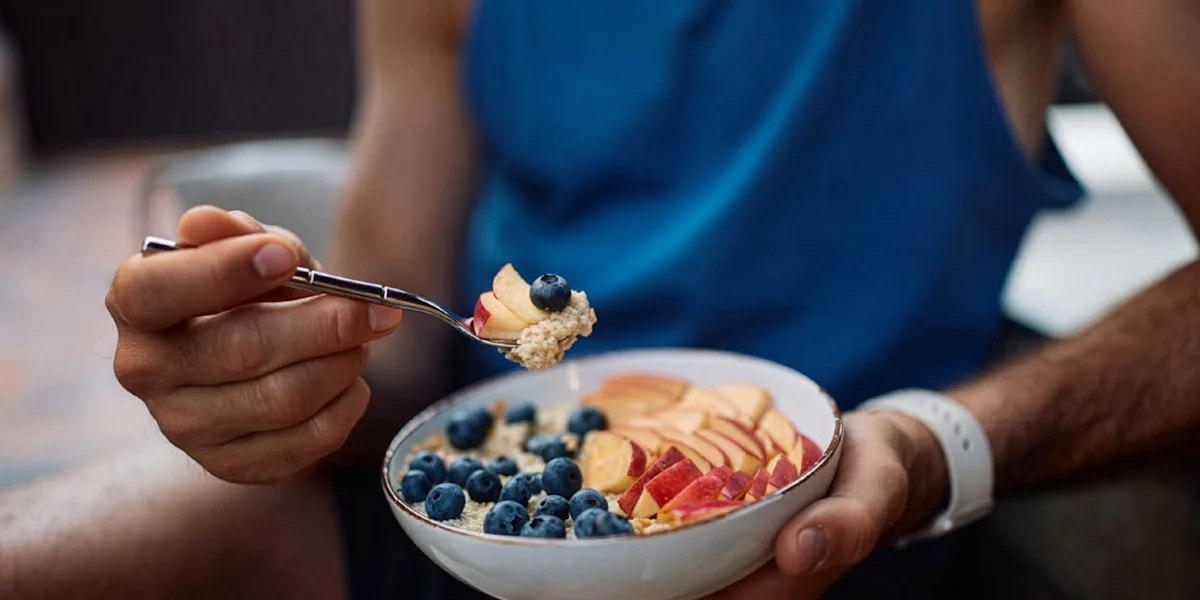
None of this requires a complicated plan or special products. A sandwich, a bowl of cereal with milk, or a smoothie can all help you recover and rebuild muscle. What’s important is getting something in soon after competition or practice, then following up with a full meal within a couple of hours.
Looking for meal ideas to hit your goals? IMG Academy+ Essentials’ Parent’s Guide To Performance Nutrition can help with that.
Fast, Realistic Recovery Snacks
Right after a hard game, many student-athletes don't feel hungry at all, even though their bodies need fuel. That’s normal, and it's exactly when portable, easy-to-eat or drinkable recovery snacks for athletes are a great option.
A bottle of chocolate milk, a fruit smoothie, or a sports drink with a granola bar all go down easier than a full meal when appetite is low, and they still deliver the carbohydrate and protein a tired body needs.
Post-Game Snack | Why It Works |
Chocolate milk | Carbohydrate and protein in one drink |
Fruit smoothie | Easy to drink, packed with carbohydrates |
Trail mix and string cheese | Portable, protein-rich |
Turkey wrap | A real meal that travels well |
If you need to eat out after a game, a grilled chicken sandwich, a burrito with rice and beans, or a fast-food combo with milk or juice instead of soda can cover the same carbohydrate-and-protein formula in a pinch. It's not the first choice every night, but it beats skipping the recovery window after a late game with nothing else around.
If post-game is close to bedtime, IMG Academy performance dietitian Jeanne Hendricks recommends avoiding a few foods: “Caffeine can sneak in through items like chocolate and soda and can definitely mess with your ability to not only fall asleep but stay asleep,” she said. “Spicy foods can cause heartburn or an [upset] stomach especially if you’re laying down soon after eating.”
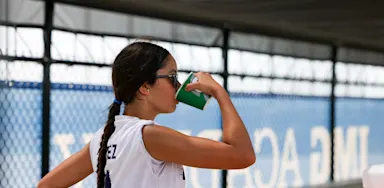
Hydrating is essential here, too. A hard game in hot weather can cost more in sweat than most athletes realize, so, as Wyatt advised, a water or a sports drink belongs in every post-game bag to pair with a post-game snack. Exactly how much water a student-athlete should drink is based on factors like body weight and the heat and length of that day’s activity. And just a reminder: post-game is too late to start hydrating. Athletes should be preparing for activities by sipping water or a sports drink throughout the day.
Single Game vs. Tournament Recovery
What to eat after a game depends a lot on what’s coming next. After a single game with a day or more before the next effort, a normal, well-balanced meal within a few hours covers most of what an athlete needs. There’s no need to overthink it.
Tournament days are different. With games spaced an hour or two apart, there’s no time for a full sit-down meal, so the plan has to move toward small but nutritious snacks that will fuel performance.
Situation | Between-Effort Plan | Example meals |
Single game (a day or more before the next effort) | Well-balanced meal within a few hours of finishing the game. Aim for 0.1g-0.2g of protein per pound of body weight. | Scrambled eggs and toast; chicken and rice bowl; beef stir fry |
Tournament (games 1–2 hours apart) | Snacks or meals that provide ~0.36g of carbs per pound of body weight and ~0.1g–0.2g of protein per pound of body weight every hour until the next game. | Chocolate milk; half a turkey sandwich and a banana; smoothie with a protein bar |
How IMG Academy Builds Recovery into Performance
Knowing the formula for muscle recovery is one thing, but building those eating habits into a schedule packed with practices and school is another. That’s where IMG Academy's nutrition coaching comes in.
An IMG Academy+ Personal Coach will work with you to turn carbohydrate and protein targets into a recovery routine. This one-on-one coaching includes guidance on what to eat between tournament games and how to adjust as training ramps up or eases off across a season.
For families who want to start building better habits on their own, IMG Academy+ Essentials offers self-guided recovery resources covering topics like performance nutrition and hydration. They apply the same standards used with elite athletes, translated into steps a middle or high school athlete can follow without a personal chef or a grocery list overhaul.
Conclusion: Make Recovery a Habit
Post-game nutrition doesn't need to be complicated. Refuel quickly with carbohydrates and protein and lean on light and drinkable options when appetite is low. When games stack up fast on tournament days, look to snacks that pack a lot of nutrition into portable formats. Getting the right habits in place means recovery stops being a guessing game.
You can start small by packing one go-to recovery snack in the bag this week and build from there. If you’re ready for a plan built around your sport and schedule, IMG Academy+ Essentials and IMG Academy+ Personal Coach are designed to help.
Frequently Asked Questions
How soon after a game do I need to eat to recover?
Aim for some time within the first hour or two after the final whistle, since that’s when the body is most ready to start refilling energy stores and repairing muscle. It doesn't have to be a full meal right away. A snack with carbohydrate and a little protein works fine in the moment, followed by a fuller meal within a couple of hours. Waiting much longer than that, or skipping food until the next morning, slows the whole process down.
What’s the right balance of protein and carbs in a recovery meal?
A good rule of thumb is roughly 0.1 to 0.2 grams of protein per pound of body weight alongside a carbohydrate source, with carbohydrate usually making up the bigger half of the plate. Think chocolate milk and a banana, a turkey sandwich, or a rice bowl with chicken. Carbohydrates refill energy stores, and protein supports muscle repair.
Is fast food after a game actually as bad as people say for recovery?
Not always. A grilled chicken sandwich, a burrito with rice and beans, or a fast-food meal paired with milk instead of soda can cover the same carbohydrate-and-protein formula as a home-cooked meal. It’s not the ideal choice every night, but it can be better than skipping the recovery window entirely after a late game with nothing else around. Look for real protein and some carbohydrate and skip the oversized fried sides when a better option is available.
What should I eat if I have no appetite right after competing?
Lean on drinkable options when solid food doesn't sound good. Chocolate milk, a fruit smoothie, or a sports drink with a small snack all go down more easily than a full plate and still provide the nutrients they need to recover. Appetite often comes back within an hour or two as the body settles down, so a fuller meal can follow once your athlete is ready.
Does recovery nutrition matter as much for a single game as it does after tournaments?
After a single game with a full day or more before the next effort, a well-rounded meal within a few hours covers most of what an athlete needs. Tournament days raise the stakes because games are packed close together, leaving little time to fully refuel between them. And that’s when a deliberate recovery plan between games matters most.
Can the wrong post-game meal actually slow down how fast they bounce back?
Skipping food for hours or filling up on something heavy in fat and light on carbohydrates and protein can leave energy stores and muscle repair behind schedule heading into the next practice or game. It's rarely one meal that causes a real problem. A pattern of skipping recovery food after most games is what tends to catch up with an athlete over a season.