Soccer Nutrition Strategy

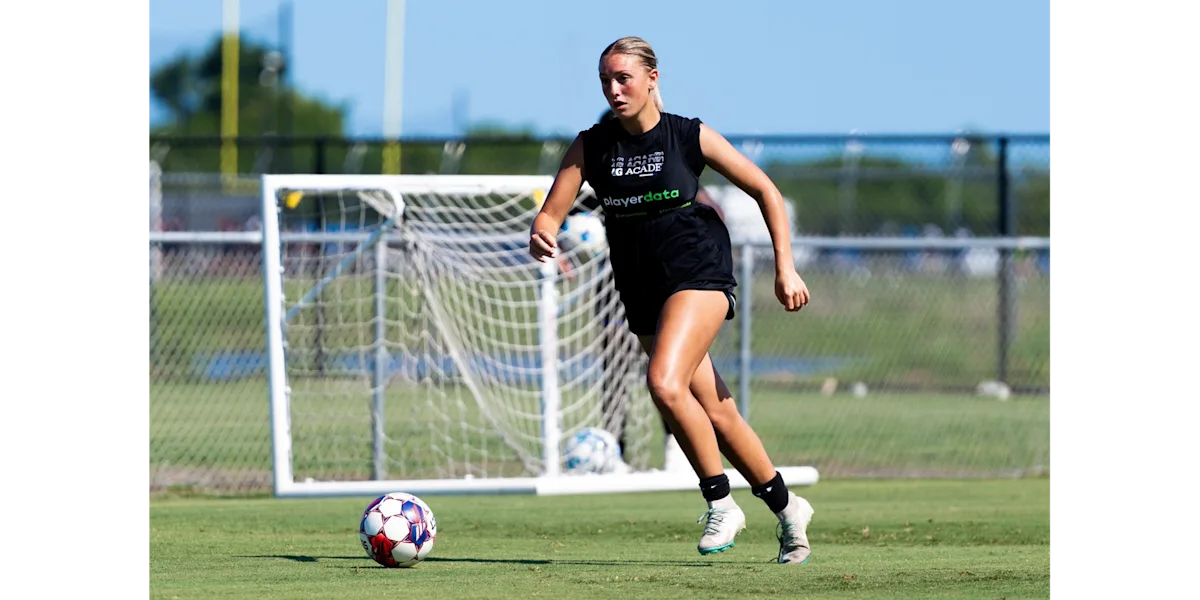
What you eat and drink across the week shows up in the 80th minute, when you’re either still sharp or starting to fade. Soccer nutrition is the plan behind that, built to fuel the running and sprinting a match demands. If you fade late in games or drag through a tournament weekend, your fueling or hydration may need more attention.
This guide covers the days leading up to a match, your pregame meal, halftime, hydration, and recovery. You’ll learn how to keep your energy up until the final whistle and bounce back for the next game.
Key Takeaways
Fueling starts before kickoff. A match runs largely on stored carbohydrates, and research shows blood glucose can dip early in the second half.
Load carbohydrates across the day before. Soccer guidance typically targets 6 to 8 grams per kilogram of body weight, spread across familiar meals and snacks.
Eat a carb-focused meal three to four hours before kickoff, with a small, easy-to-digest snack closer to the whistle if you're hungry.
Use halftime and natural breaks to top up. A few sips of a sports drink, orange slices, or half a banana, plus water, can help you hold your intensity after the break.
Carbohydrates, fluids, and some protein soon after a match can help you get through long tournament weekends, since muscle glycogen can stay low for about 48 hours.
How 90 Minutes Drains Your Energy Tank
A soccer match runs heavily on carbohydrates stored in your muscles as glycogen. As those stores fall, players can lose some of the speed and decision-making they need late in a match.
A review of 61 soccer studies found that blood glucose can drop by as much as 30% early in the second half, even when players consume carbohydrates before and during the match.
That late-game effect is easy to picture. You get to a loose ball half a step late, or a shot that should have scored sails wide. The same review found that eating carbs before and during a match helped players sprint faster and more often, and keep their shots accurate as the match wore on. They also took longer to tire and stayed mentally sharper.
The review’s findings come mostly from adult players, and most studies were done in men, so use them to understand the role of fueling rather than as exact targets for you. When it comes to nutrition for soccer players, the takeaway is simple: Fueling starts before kickoff, not when your energy is already running low.
Key Elements of Soccer Player Nutrition
A balanced soccer nutrition plan includes three main macronutrients, each with a different role:
Carbohydrates supply much of the fuel needed for training and matches.
Protein supports muscle repair and recovery.
Dietary fat helps meet overall energy needs and supports normal hormone regulation and cell protection.
"A great place to start with a nutrition plan is three meals and three snacks,” said Katie Ryan, senior performance dietitian at IMG Academy. The chart below breaks down general soccer nutrition guidelines for each component. If you’re looking for more personalized recommendations, we recommend speaking with a nutrition coach or dietitian.
Nutrient | Research guideline | Example for a 150-lb player | Where to find it |
Carbohydrate | 6 to 8 grams per kilogram (g/kg) of body weight the day before a match | About 410 to 545 grams | Rice, pasta, potatoes, oats, fruit |
Protein | 1.4 to 2 g/kg a day | About 95 to 136 grams | Chicken, fish, eggs, dairy, beans |
Fat | 20% to 35% of daily calories | Depends on total calories; include some at most meals | Olive oil, nuts, avocado, salmon |
Fuel Up in the Days Before a Match
One of the main goals in the day or two before a match is topping off your carbohydrate stores. Sports nutrition research recommends higher carbohydrate intake the day before competition, with soccer guidance commonly landing around 6 to 8 grams per kilogram of body weight.
However, rather than relying on one giant pasta dinner the night before, spread carbohydrate-rich foods across your regular meals and snacks. Oatmeal and fruit at breakfast, a rice bowl at lunch, and a bagel after school can all contribute. Stick with foods you know sit well before competition.
A simple way to organize your plan is to build your performance plate with a larger carbohydrate portion as match day approaches.
Your Pregame Meal and Kickoff Timing
Eat a carb-focused meal a few hours before kickoff, then add a small, easy-to-digest snack closer to the whistle if you’re hungry. Research suggests the main meal should land about three to four hours before the match. For a 3 p.m. kickoff, that could mean a normal lunch around noon and a banana or slice of toast with honey around 2 p.m.
Good pregame nutrition for soccer sticks with familiar foods that sit well before competition. A few options:
A turkey sandwich on wheat bread with pretzels and a banana
Pasta with a light tomato sauce and grilled chicken
A rice bowl with scrambled eggs and a side of fruit
Test your pregame meal at practice first, since match day is not the time to try something new. Then build your fueling timeline around your usual kickoff time so game day follows a routine you already know.
Halftime: Refuel at the Break
Should you eat at halftime? If you can tolerate it, a quick carbohydrate top-up can help. Research has found that blood glucose can dip early in the second half, and carbohydrate intake around halftime may help players maintain running intensity and cover more distance.
With only about 15 minutes, keep soccer game-day nutrition simple and familiar:
A few sips of a sports drink
Orange slices or half a banana
A small handful of pretzels or crackers
Water alongside your snack
Older and elite players sometimes use carbohydrate drinks or gels during matches. If you’re a student-athlete, start with the simple options above, and check with a sports dietitian before trying anything more carb-intensive.
Hydration for a Full 90 in the Heat
Hydration affects how you feel and perform throughout a full match, so any soccer diet and nutrition plan has to account for fluid intake. Sweat losses vary widely between players and can increase in hot conditions.
Start the match well-hydrated, then take advantage of natural breaks and halftime to drink to help avoid dehydration. Thirst and urine color can offer rough clues about hydration, with pale yellow urine generally indicating better hydration.
Sweat loss is highly individual. You may lose much more fluid and sodium than your teammates, so the same hydration plan won’t work for everyone. Tracking your body weight before and after training can help estimate your sweat losses, but do it with a professional’s guidance.
In heavy heat or during high-sweat sessions, water may not replace everything you lose in sweat. A sports dietitian or IMG Academy coach who focuses on nutrition can help you decide whether fluids with sodium make sense for you.
Recover Between Matches and Tournament Weekends
On a tournament weekend, recovery starts when the final whistle blows. Replacing carbohydrate and fluids early helps prepare you for the next match, while protein can support muscle repair before you return to your normal meals.
Don’t wait for a sit-down meal if your next game is only hours away. A carb-plus-protein snack soon after the match can get recovery started while you keep rehydrating. Research shows that muscle glycogen can remain low for about 48 hours after a match, so one big dinner may not be enough before a next-day game. Steady refueling across the day matters more.
Here are a few examples of recovery meals for soccer tournaments:
Right after the match: Chocolate milk and a banana or a turkey sandwich
Between same-day matches: Fruit and yogurt or a bagel with peanut butter, plus fluids
That evening: Rice or pasta with chicken or fish, vegetables, and milk
The best nutrition for soccer players on a packed schedule is the plan you can repeat. Our workshop on post-competition recovery fueling goes deeper into timing and food choices.
Does a Midfielder Fuel Differently Than a Keeper?
A little, but your position shouldn’t be the only thing that shapes your nutrition plan. Position can change how much ground you cover, yet the research on position and energy needs is mixed. A study of elite players found no significant differences in hydration needs by playing position. Individual sweat rate and body size varied more. “The only time energy needs would change would be for a keeper on game day, but even for keepers, normal training days require the same energy,” said Ryan. “They still may need as many calories but their carbohydrate needs may not be as high. It would depend on the individual and their needs.”
Use your role as a starting point, then adjust to your own energy and hydration needs with help from a sports dietitian or nutrition coach.
How IMG Academy Helps Soccer Players Hit Their Nutrition Goals
IMG Academy+ Essentials gives you expert-built nutrition content covering performance-plate guidance, fueling timelines, hydration, and recovery, along with in-app progress tracking. For a structured starting point, the nutrition for student-athletes course covers fueling fundamentals at your own pace.
IMG Academy+ Personal Coach adds individualized support through live one-on-one sessions with a credentialed nutrition coach. Your coach can help shape a plan around your training schedule, food preferences, and individual needs, then adjust it as your season changes. That brings the principles of soccer nutrition into a routine built around you.
Conclusion: Build Your Soccer Nutrition Strategy
A strong soccer nutrition strategy starts before match day, with enough carbohydrate to support the work ahead. Eat a carb-focused meal a few hours before kickoff, use halftime to top up if needed, and rehydrate consistently between matches.
Ready to put soccer nutrition into practice? IMG Academy+ Essentials gives you on-demand nutrition, hydration, and recovery content with progress tracking.
For more individualized support, IMG Academy+ Personal Coach connects you with an IMG Academy nutrition coach who can help adjust your plan as your season changes.
Frequently Asked Questions
How do I fuel for 90 minutes of nonstop running without fading in the second half?
Top off your carbohydrate stores in the day or two before the match, not just at kickoff. Research shows carbohydrate availability can fall during the second half, so carb-rich meals beforehand and a halftime top-up can help support late-game energy.
What should a player eat at halftime, if anything?
If you tolerate food well at halftime, a small carbohydrate source can help. Try something familiar, such as a banana, orange slices, or a few sips of a sports drink, along with water.
How do I handle nutrition for a tournament weekend with multiple matches?
Start recovery soon after each match with carbohydrate, fluids, and some protein. A snack such as chocolate milk or a sandwich can help bridge the gap until your next meal. Muscle glycogen can remain low for about two days after a match, so consistent refueling matters across the weekend.
What’s the best pregame meal timing for an afternoon kickoff?
Eat a carb-focused meal about three to four hours before kickoff, then add a small snack closer to the match if you’re hungry. For a 3 p.m. start, that could mean lunch around noon and a banana later.
How do I stay hydrated through a full match in the heat?
Start the match well-hydrated and drink water at natural breaks and halftime. Sweat losses vary widely from player to player, so hydration needs are individual. In hot conditions or during heavy sweating, a sports dietitian can help determine whether sodium-containing fluids are appropriate.
Does a midfielder's fueling need to differ from a keeper’s?
Position can affect match demands, but it should not determine your fueling plan on its own. Research on elite players found that individual sweat rate and body size varied more than playing position, so use your role as a starting point and adjust based on your own needs.