Proper Basketball Shooting Form and Drills

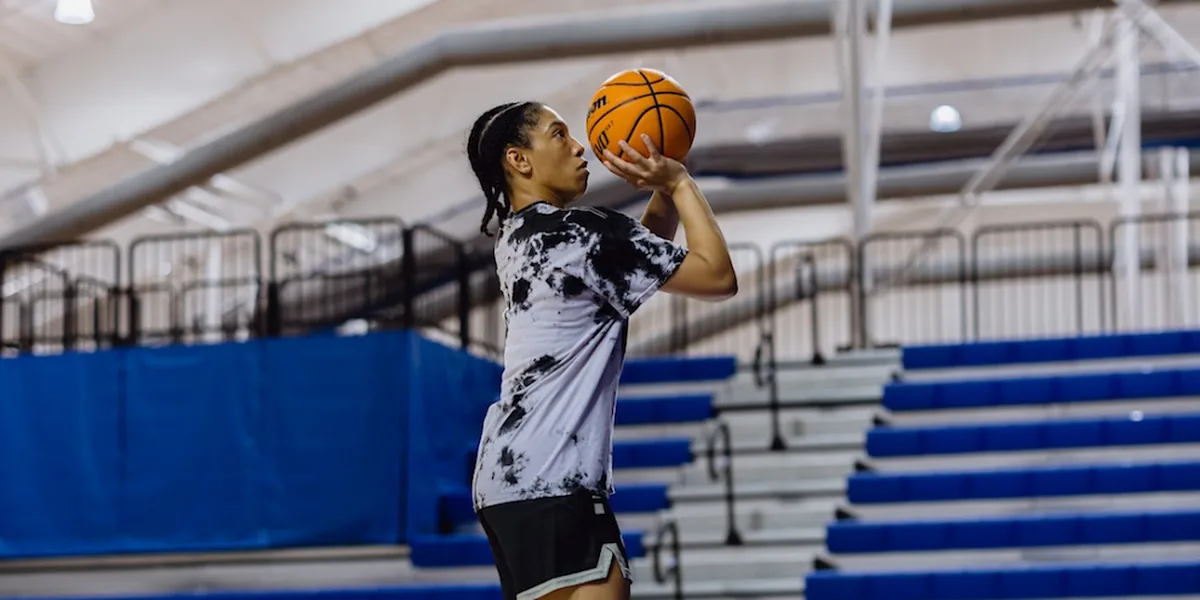
Proper basketball shooting form starts with balance, a controlled upward motion, and a repeatable release. Your stance and grip may differ from another player's because of your strength, hand size, and natural movement. The aim is to find mechanics you can reproduce when you catch, move, and shoot during a game.
Start close to the basket so you can learn how to shoot a basketball without straining for distance. Build consistent footwork and follow-through, then add movement, range, and game-like decisions as your control improves.
Key Takeaways
Build a balanced base and a shooting motion that fits your body.
Use your guide hand to stabilize the ball without pushing it off line.
Keep your head steady and complete your follow-through after release.
Develop three-point range gradually while maintaining the mechanics you use closer to the basket.
Combine focused form work with movement and controlled game-speed repetitions.
Basketball Shooting Form Quick Reference
Use this checklist to review your shot from the ground up. Change one element at a time so you can tell what helps.
Element | Practical Cue |
Feet and balance | Set a comfortable base and avoid tipping sideways |
Shooting hand | Support the ball from behind and below |
Guide hand | Steady the ball without adding a thumb push |
Elbow and release | Keep a comfortable path beneath the ball |
Head and eyes | Use a consistent target and keep your head steady |
Follow-through | Finish the release and land under control |
How to Build a Repeatable Shooting Motion
As IMG Academy's Head of Player Development for basketball, I study shooting mechanics and help players develop their skills.
Start With Your Feet
Set your feet in a comfortable stance with your knees ready to bend. Your shooting-side foot may sit slightly forward. Avoid forcing a precise stance width or toe angle if it makes you tense or unbalanced. Practice arriving in the same stable position from different directions.
Bring the Ball Into Position
The shooting pocket is the ready position from which you bring the ball into your shot. Let your shooting hand support the ball from behind and below, with your guide hand at the side. As you raise the ball, keep your shooting elbow comfortably beneath it rather than forcing it outward.
Connect Your Legs and Release
Push through the floor and let the ball rise in a coordinated motion. Your guide hand steadies the ball; your shooting hand directs the release. Finish through your wrist and fingers without adding a sideways push from the other hand.
Keep Your Head Steady and Follow Through
Choose a consistent visual target on the basket and keep your head steady as you release. Finish with your shooting hand toward the target, then land in balance. Avoid pulling your head back to watch the ball or dropping your arm before the release is complete.
Use Feedback to Identify Patterns
At IMG Academy, coaches use Noah Basketball, a shot-tracking system that measures ball flight. Its 45/11/0 methodology uses a 45-degree entry angle, a target depth 11 inches beyond the front of the rim, and centered left-to-right placement as reference points. These describe the ball's path, not a requirement to hold your arm at a particular angle.
You do not need tracking equipment to begin. Record makes and misses from a consistent spot, and notice whether misses tend to fall short, long, or to one side. The guide to effective goal setting for athletes can help turn that observation into one practice priority.
Common Shooting Mistakes and How to Address Them
Pushing With the Guide-Hand Thumb
A thumb push can send the ball off line. Move close enough that you do not need extra force to reach the hoop, then practice letting the guide hand remain quiet at release. If a young player must heave the ball, use an age-appropriate ball and basket where available.
Practicing Only From a Standstill
Stationary form work is useful for learning a change, but games also require you to move and react before shooting. Progress from a set shot to a catch-and-shoot repetition, then add a short cut or change of direction before the catch. Use enough recovery to keep your mechanics controlled; game preparation does not require exhausting yourself first.
Losing Balance to Watch the Ball
Pulling your head backward or leaning sideways changes your body position during the shot. Keep your eyes on your target and hold a balanced finish. Ask a partner to watch your landing, or use a short video to compare several repetitions.
Building Consistent Three-Point Shooting Form
Three-point shooting needs more range, but the extra distance should come from a coordinated motion rather than a sudden shove from your arms. Begin inside the arc and move back in small steps while preserving your balance, release, and follow-through.
Prepare your feet and hands before the pass arrives so you can move smoothly into the shot.
Use your legs with the upward movement of the ball rather than pausing and pushing from your shoulders.
Keep your guide hand quiet as you add distance.
Move closer again if you start twisting, leaning heavily, or throwing the ball to reach the rim.
A simple range drill is to take a short set of attempts from one comfortable spot, then step back only if your form remains steady. Track the quality of the motion as well as the result. For younger players, a reliable close-range shot is a useful achievement; the three-point line does not need to determine where practice begins.
Basketball Shooting Drills for Better Control
These youth basketball shooting drills can progress from simple repetitions to more varied movement. Choose a distance where you can maintain your form, and keep the practice area clear.
Close-Range Form Shooting
Begin near the basket and take a small set of controlled shots. Focus on your release and a balanced finish. Reset between attempts instead of rushing to reach a made-shot total. This is useful when learning or adjusting one part of your motion.
Step-In and Swing-Step Shooting
Have a partner pass to you as you step into the shot. Practice left-right and right-left footwork, then try turning into the catch from either side. If you are alone, use a self-toss and catch. Work on arriving in balance before increasing your pace.
To connect dribbling with a change of position before the shot, use IMG Academy's pull-back dribbling demonstration alongside your footwork practice.
Three-Bounce Balance Check
After a close-range shot, hold your follow-through while making three small, controlled bounces on your feet. Notice whether you remain centered or drift to one side. Keep the bounces gentle; this is a body-control drill, not a movement you need to add to every game shot.
Up-Down Shooting
Set your feet, rise onto your toes, and settle back down before moving up into the shot. This lets you feel how your weight moves through your feet. If you cannot stay steady, slow the drill and reduce the size of the movement before shooting again.
Shooting After Movement
Once a familiar shot is reliable, add a short run or cut before receiving the ball. Take a few shots, recover, and repeat. Progress to a partner's cue or a controlled defensive challenge when appropriate. The goal is to keep your form while the setup becomes less predictable.
Combining the Drills
Move between a few shooting spots and vary how you arrive at each one. Use a step-in on one repetition and a turn into the catch on the next. Keep one technical priority rather than trying to think through every body part. IMG Academy's guide on staying focused as a student-athlete offers additional ways to work on attention during practice.
Supporting Your Shot With Physical Preparation
Balance and coordinated movement matter as you add speed and range. Plan strength work around your overall practice schedule rather than using fatigue as the measure of a good workout. IMG Academy's guide to strength and conditioning for student-athletes explains how physical preparation can complement sport skills.
Frequently Asked Questions
What are the fundamentals of consistent shooting form?
A balanced base, coordinated leg and arm action, a quiet guide hand, and a complete follow-through are useful foundations. Keep your head steady and work from a distance where you can repeat the motion without straining.
How do I fix my shot without disrupting what works?
Change one element at a time and practice it close to the basket first. Compare several repetitions, then check whether the change holds when you add movement. Use feedback from a coach to decide whether to keep the adjustment instead of rebuilding your whole shot after a poor session.
Which shooting drills build a reliable shot?
Combine close-range form work with catch-and-shoot repetitions and varied footwork. Use balance drills to identify unwanted movement, then return to a normal shot so the improvement carries into the skill you use in games.
How do I keep my form under pressure and fatigue?
Practice familiar shots after short bursts of movement, then add controlled decisions or defensive pressure. Take enough recovery to preserve your technique, and use a simple cue to reset your attention after a miss.
How long does it take to correct a shooting flaw?
There is no fixed timeline for every player. The change, your practice consistency, and the quality of feedback all matter. Track whether you can repeat the correction first in controlled practice, then after movement, and finally in games rather than relying on a promised number of weeks.
Build a More Consistent Shot
Consistent shooting starts with a motion you can control and grows through purposeful practice. Build from close range, add varied footwork, and extend your range without forcing the shot. IMG Academy+ Essentials offers basketball drills to support that work. If confidence, concentration, or your response to mistakes is limiting your progress, mental performance coaching through IMG Academy+ Personal Coach can complement the technical instruction you receive on the court.