Nutrition for Strength Training

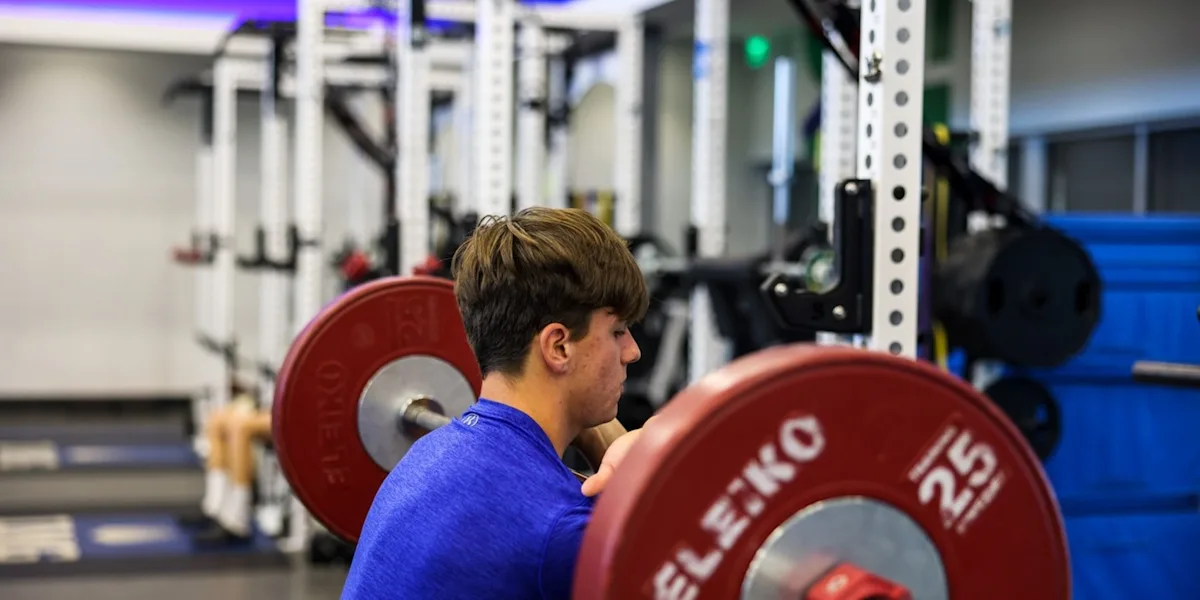
Strength training nutrition comes down to two foundational practices: eat enough to fuel the work and give your body what it needs to rebuild afterward. That means plenty of food for energy and enough protein to support muscle growth, plus sufficient recovery time between sessions.
As a growing student-athlete, your body needs fuel for both training and healthy development. Not eating enough can affect your performance and recovery. This guide covers the nutrients you need and how to time your meals around workouts. We’ve also pulled together some easy meal and snack ideas you can use.
Key Takeaways
Eat enough to fuel your strength training and support healthy growth at the same time.
Spread your protein between meals and snacks instead of saving it all for one meal.
Have a light snack before you lift to help power your workout.
Refuel with carbs and protein afterward to help your muscles repair and recover.
Stick with balanced meals and everyday foods to cover what your body needs.
How Nutrition Powers Strength Training
Here’s a simplified snapshot of how nutrition fits into a strength training routine:
You have eggs and toast for breakfast. The eggs repair and build muscle you used in yesterday’s workout, while the toast is stored as energy for later today.
You have a turkey sandwich and salad for lunch. The turkey continues with muscle repair, and the bread and cheese build more energy stores. The salad fortifies your body with vitamins it needs to absorb nutrients.
You have a pre-training snack of a simple digesting carbohydrate like a banana 30 minutes before your training. You have more energy for your workout in the afternoon.
You work out in the afternoon. The muscle you’ve been repairing and building uses the energy you’ve been storing all day to power the workout.
You have chicken with rice and vegetables for dinner. The chicken aids in muscle recovery and repair. The rice becomes energy you’ll use tomorrow, and the vegetables round out the meal with essential vitamins you need to grow and be healthy
Keep in mind, your fueling needs will change with how much you train. A 2025 study on carbs and strength training recommends about 3.6 to 4.5 grams of carbohydrates per pound of body weight for adults daily during heavy training. For a 150-pound athlete, that could mean up to 675 grams of carbs on a tough training day.
When thinking about your own strength training nutrition plan though, don’t fixate on hitting a certain number. Focus instead on eating enough balanced meals, and work with a sports dietitian to build a performance plate that supports your training.
How Much Protein Do You Need?
A 2025 review of teen sports nutrition recommends about 1.5 to 2 grams of protein per kilogram of body weight daily. The review also suggests spreading protein throughout the day, with roughly 20 to 40 grams per meal. These are general research ranges, and your needs may vary based on your age, growth, and training schedule.
Getting enough protein can be easier than you think. Eggs and oatmeal at breakfast, chicken or beans at lunch, and milk or yogurt as an afternoon snack can help you meet your needs through everyday foods. "The goal is to include protein in meals and snacks rather than saving most of it for one meal,” said Bryce Allison, a performance dietitian at IMG Academy.
For strength training nutrition, consistency matters more than trying to time every meal perfectly. A 2025 study generating muscle mass found that eating protein before versus after lifting made little difference in muscle growth. So if building muscle is your goal, focus on having consistent, balanced meals throughout the day, and the results will come.
Meal and Snack Ideas to Fuel Your Strength Training
A strong nutrition plan for strength training includes protein throughout the day and carbs to fuel your workouts. Use the chart below as a starting point and adjust the suggestions to fit your training schedule.
When | Meal or Snack Idea | What It Gives You |
|---|---|---|
Breakfast | Eggs, oatmeal, and fruit | Protein and carbs for energy |
Lunch | Chicken or beans with rice and vegetables | Protein and afternoon fuel |
1–3 Hours Before Lifting | Banana with peanut butter toast, or yogurt with fruit | Carbs for training and some protein |
After Lifting | Chocolate milk (16 ounces), or Greek yogurt with fruit and granola | About 20 grams of protein, plus carbs for recovery |
Dinner | Salmon or chicken with potatoes and vegetables | Protein and carbs for recovery |
Evening Snack | Peanut butter toast with soy milk, or cottage cheese with pineapple | About 20 grams of protein to support recovery |
Portions depend on your body, sport, and schedule. A sports dietitian can help personalize your plan. For more ideas, explore our healthy snacks for student-athletes or learn about nutrition coaching.
What to Eat Before a Strength Training Workout
Don't head into a lift on an empty tank. A small meal or snack with carbs and protein in the hours before you train can help you feel ready to work hard. One 2022 review recommends eating at least 15 grams of carbs, plus a little protein, within three hours of lifting. A banana with peanut butter or half a turkey sandwich fits the bill.
It helps to start well hydrated, too, since even mild dehydration can affect your performance and focus. If you’re not sure how much you need, read up on how much water to drink.
Eating well before you lift is only part of the picture. Good nutrition keeps you fueled and focused, and solid technique with proper supervision keeps the lift itself safer. Regularly not eating enough can work against you, and over time it can affect your bone health and increase injury risk for growing student-athletes.
One practical tip to keep in mind is to skip heavy, greasy foods right before training. Also, if you’re trying a new pre-workout food do it on a light practice day instead of before a big session.
Recovery Meals for Big Gains
What you eat after training matters just as much as what you eat before. Carbs refill the energy you just burned, and protein gets to work repairing and rebuilding muscle. Nutrition and strength training go hand in hand, and recovery is a key part of making progress.
Refueling is even more essential when you’re lifting again tomorrow. Research suggests that getting carbs in after training becomes more important when your next workout is close, within a day or so. An easy move is chocolate milk and a banana right after you finish, then a balanced dinner later on.
Don't overlook hydration and sleep, either. Keep drinking water throughout the evening, and make sleep a priority so your body has time to recover.
Do You Need Supplements for Strength Training, or Is Food Enough?
For most student-athletes, balanced meals can cover the nutrients needed to support strength training and recovery. A 2025 review of youth nutrition recommends a food-first approach, with an emphasis on getting enough nutrients through everyday meals.
Food-first fueling starts with familiar options. Eggs or yogurt at breakfast give you protein, and chicken or beans at lunch help your muscles repair. Add some fruit for energy, and keep water nearby throughout the day so you stay hydrated.
Not sure your current routine is doing the job? A performance dietitian can help you fine-tune it.
How IMG Academy Helps Student-Athletes Fuel Their Strength Training
Understanding the basics of strength training nutrition is a good start. Turning that knowledge into a consistent routine takes practice. IMG Academy+ Essentials provides expert-developed nutrition, training, and mental performance resources on demand, helping you build habits to fuel your workouts and support recovery.
For more personalized guidance, IMG Academy+ Personal Coach connects you with an IMG Academy performance dietitian through live, one-on-one sessions. Your coach can help you build a fueling plan around your sport, training schedule, and individual needs, with adjustments as those needs change.
Conclusion: Turn Hard Training into Real Gains
A strong strength training nutrition plan starts with eating enough, spreading protein throughout the day, and fueling before and after workouts. Pair those habits with proper recovery to support progress in your next session.
Explore IMG Academy+ Essentials for on-demand strength training and nutrition resources, or connect with an IMG Academy performance dietitian through IMG Academy+ Personal Coach for guidance customized to your goals.
Frequently Asked Questions
How should I eat differently on heavy lifting days versus rest days?
Eat more carbs around your hardest workouts to help fuel your training. On lighter or rest days, your needs may change but keep eating balanced meals with enough protein to support recovery and healthy growth.
How much protein do I need to see results from lifting?
A 2025 review of teen sports nutrition suggests about 0.64 to 0.91 grams of protein per pound of body weight daily. Spread protein across your meals and snacks and consult a sports dietitian to determine your individual needs.
Should I eat before or after a lifting session for the best gains?
Both can help, but don't stress the exact timing. A 2025 review found that eating protein before versus after lifting made little difference in muscle growth. Focus on getting enough protein throughout the day.
How do I fuel strength work without adding fat I don’t want?
Focus on eating enough to support both your training and development. Build balanced meals with protein, carbs, fruits, and vegetables. A sports dietitian can help personalize your nutrition plan based on your goals.
Do I need supplements to get results, or is food enough?
Most student-athletes can meet their nutrition needs through balanced meals. Focus on everyday foods like eggs, yogurt, chicken, beans, and fruit to support strength training and recovery while your body continues to grow.
How do I eat to recover so I can lift hard again the next day?
Refuel after training with carbs to restore energy and protein to help repair your muscles. Keep eating balanced meals throughout the day, drink enough water, and prioritize sleep to prepare for your next workout.