Volleyball Nutrition Guide for Student-Athletes

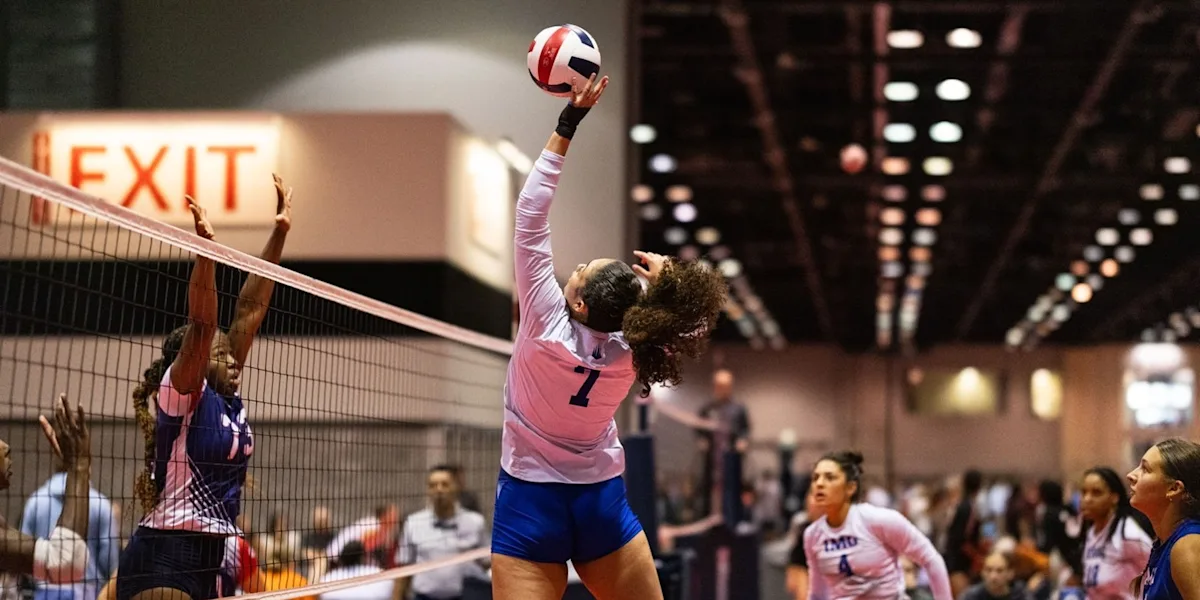
Volleyball demands powerful jumps and quick dives, often across multiple matches. Good volleyball nutrition can help you maintain steady energy and stay explosive, from first serve to final spike.
This guide covers how to fuel your body for volleyball, starting with your daily nutrition needs. You'll learn what to eat before a match and how to stay hydrated in hot gyms. We'll also explain how to refuel between games so you're ready for the next round of competition.
Key Takeaways
Good nutrition for volleyball players starts with eating enough every day.
Fuel explosive jumps with carbs
Eat carbs the night before a big game and a few hours before first serve.
Sip water regularly and refuel between matches.
Recover with carbs and protein for fuel and strength that power future play.
What Volleyball Demands of Your Body
If your legs feel heavy late in a match or you're slow to recover after practice, you might not be eating enough to support your activity. A 2023 study of teen volleyball players published in Nutrients found they consumed only about 60% of their estimated energy needs, even though they were getting plenty of protein.
That's a key point for nutrition for volleyball athletes: eating more protein isn't always the answer. Your body needs enough food overall, with carbohydrates providing much of the fuel for intense activity.
Volleyball puts that fuel to work in every position:
Setters jump frequently to set up attacks.
Hitters and middle blockers jump explosively at the net.
Liberos focus on receiving serves and defending attacks, with fewer jumps but lots of physical effort.
Your body also needs fuel to recover between practices and support growth. Eating enough throughout the day is a good place to start. Learning to build a performance plate can help you balance your meals around your training demands.
Volleyball Nutrition Basics: The Roles of Carbs, Protein, and Fat
Three key nutrients make up a balanced diet for volleyball players: carbs, proteins, and fats. Each nutrient has a different role in helping you perform and recover. "Carbs are your energy source, protein will help to repair your muscle and fats help sustain energy,” said Juliana Shields, a performance dietitian at IMG Academy.
Use the table below as a general volleyball nutrition guide:
Nutrient | What It Does for a Volleyball Player | Research Range | Best Food Choices |
|---|---|---|---|
Carbohydrates | Fuels jumps and rallies; refills stored energy | 3.0–4.5 g/lb. daily, depending on how hard you train | Rice, pasta, oats, potatoes, bread, fruit |
Protein | Repairs and rebuilds muscles | 0.64–0.91 g/lb. daily | Eggs, chicken, yogurt, milk, beans, tofu |
Fat | Provides steady energy and helps absorb nutrients | About 20–35% of daily food energy | Nuts, avocado, olive oil, salmon |
Note: The ranges in the table come from a 2025 article on youth athlete nutrition, and should not be considered personal targets. A sports nutritionist can help tailor your fueling plan to your needs.
Pre-Game Meals for Volleyball Players
A nutrition plan for volleyball players starts the night before competition with a carb-focused dinner to help replenish the energy stored in your muscles. Try pasta with chicken or a rice bowl with beans and vegetables.
Stick to familiar foods, avoid heavy or spicy meals, and drink water throughout the evening. If you're hungry later that night, have a light snack like yogurt with fruit, and pay attention to how close to bedtime you're eating.
On game day, eat a carb-focused meal, like oatmeal with fruit and eggs or toast with peanut butter, three to four hours before the match. If you're hungry an hour before taking the court, grab healthy, easy-to-digest snacks, like a banana or pretzels. Keep pregame meals lower in fat and fiber to avoid stomach discomfort, and drink water before first serve.
Read more: Learn how to build a fueling timeline that can adjust for different match times.
Staying Hydrated During and In Between Volleyball Matches
Hot indoor gyms with little airflow can leave you sweating more than you realize. That's why staying hydrated should be a key part of your volleyball nutrition plan.
The easiest approach is to drink regularly rather than waiting until you're thirsty. Here's how to stay on track:
Start your match well-hydrated by drinking water in the hours leading up to first serve.
Sip water during warm-ups and between sets whenever you get a chance.
Drink water between matches.
On long, sweaty tournament days, a sports drink or salty snack can help replace the salt you lose through sweat.
You can also check your hydration by looking at your urine. Pale yellow usually means you're well-hydrated, while dark yellow may signal that you need more fluids.
For more guidance, read our article on how much water athletes should drink.
Fueling During an All-Day Tournament
It’s important to top off your energy between matches. Bring a cooler with your own food and drinks so you're not stuck relying on whatever’s available.
"A good volleyball nutrition plan keeps you fueled without leaving you feeling over-full when it's time to play again,” said Shields. If you have a short break, grab some easy-to-digest carbs, like an applesauce pouch or a plain bagel. If you have more time, eat a mini meal, like a:
Turkey sandwich.
Rice bowl.
Yogurt with fruit and granola.
Keep sipping fluids throughout the day. After a hot, sweaty match, you may want to include some salt from a sports drink or snack to help your body re-hydrate.
Recovery Meals and Timing for Volleyball Players
Recovery starts as soon as your last match ends and continues into the next morning. Research shows that refilling your muscles' energy stores can take up to a full day. That means what you eat after leaving the court affects how you compete tomorrow.
When thinking about nutrition for volleyball athletes, the goal is to:
Refuel with carbs.
Rebuild muscles with protein.
Rehydrate with fluids.
Here’s a post-game recovery nutrition plan you can follow:
Within an hour of your last match, have a snack with carbs and protein, like chocolate milk and a banana or Greek yogurt with granola.
As soon as possible (ideally within the hour), eat a balanced dinner, such as chicken with rice and vegetables.
Throughout the evening, keep drinking fluids, and get a good night's sleep.
The next morning, eat a filling breakfast, like oatmeal with fruit and eggs.
For more guidance, explore our post-competition fueling for recovery workshop.
How IMG Academy Helps Student-Athletes Fuel for Volleyball
At IMG Academy, we help you turn volleyball nutrition advice into habits that fit your training and competition schedule. "We provide one-on-one counseling, and teamwide workshops to provide student-athletes with tools to fuel their body the best,” said Shields. With IMG Academy+ Essentials, you get on-demand access to expert-built lessons on sports nutrition for athletes. You'll learn how to:
Build balanced meals.
Time food and hydration around matches.
Refuel after competition.
The app also helps you track your progress as you build better habits.
For individualized support, IMG Academy+ Personal Coach offers live online sessions with credentialed nutritionists. Together, you can develop a volleyball-specific fueling plan that fits your schedule and supports your growth. Mental performance coaching is also available.
Conclusion: Build a Volleyball Nutrition Plan that Fuels First Serve through Game Point
Good volleyball nutrition starts with eating enough every day, with carbs as your main fuel. Eat carb-focused meals before competition, then refuel and rehydrate between matches. Once the competition is over, combine carbs with protein to support recovery.
Start building better habits with IMG Academy+ Essentials and get on-demand nutrition guidance alongside training and mental performance resources.
Want a plan customized your needs? Sign up for IMG Academy+ Personal Coach to work one-to-one with a credentialed IMG Academy nutrition coach.
Frequently Asked Questions
How do I keep energy up across an all-day tournament with long gaps between matches?
Start with a carb-focused meal, then refuel between matches with easy-to-digest snacks. Pack a cooler with your own food and keep drinking water throughout the day.
What should I eat between matches to stay sharp for the next one?
For short breaks, stick to light snacks like fruit or pretzels. With more time, have a sandwich or rice bowl with some protein, and keep sipping fluids.
How do I fuel for repeated jumping without feeling heavy?
Feeling heavy can mean you’re not eating enough, or that you ate too much too close to play. Eat enough carbs through the day, have your bigger meal at least three hours before the match, and keep the pregame snack small and light.
What's a good pregame meal that won't sit badly during quick rallies?
Three to four hours before competition, eat a carb-based meal that’s lower in fat and fiber so it clears your stomach. Have a small, easy-to-digest carb snack an hour out if you’re hungry.
How do I stay hydrated in a hot gym with no breeze?
Start drinking water early and sip throughout the day; don’t wait for thirst. Over a long day, add a sports drink or salty snacks to replace sodium.
Does nutrition differ for a libero versus a hitter?
The basics are the same for every position: eat enough, fuel with carbs, and drink fluids. Setters jump often, hitters and middle blockers jump explosively at the net, and liberos jump less but cover a lot of the court, so all of them need steady energy. A nutrition coach can tailor a plan to your position and schedule.