Nutrition Guide for Tennis Players

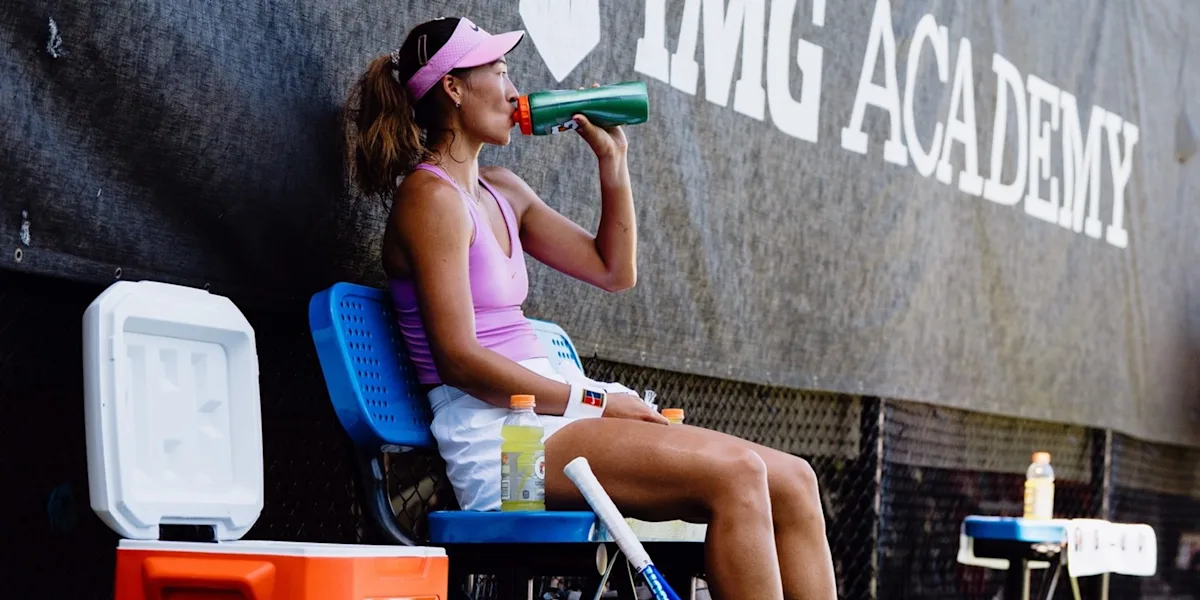
Good tennis nutrition starts before you step on the court. It keeps you fueled during play and helps your body recover once the match is over. And with no clock or substitutions, there’s no telling whether you’ll be out there 45 minutes or three hours. What you eat and drink can be the difference between finishing strong and struggling to find your shots late in a match.
This guide breaks down how to fuel your body for tennis, from your daily eating habits to your match-day meals. You'll also learn how to stay fueled on the court and recover between matches during a long tournament day.
Key Takeaways
Eat enough carbs to keep your legs moving and strong through long matches.
Fuel up every day so your energy stores are ready for matches and tournaments.
Eat a familiar, balanced dinner the night before you compete.
Grab easy, quick carb-based snacks during changeovers and keep sipping water.
After your match, refuel with carbs and protein to help your body recover.
Understanding What Tennis Demands of Your Body
Tennis is a series of short sprints with rest in between. You might chase down a drop shot only to recover to the baseline and have to change direction for the very next ball. Add in the heat and a match length you can’t predict, and keeping your energy up can become a real challenge. “Tennis is such a high-demand sport and can go for an unpredictable amount of time. It’s really important that athletes are fueling to the best of their ability from the first set to a potential third-set tie break,” said Maggie Storti, a performance dietitian at IMG Academy.
Carbohydrates are your body's main fuel for these quick movements. They’re stored in your muscles for energy, but that supply is limited. The longer you play, the more you use up. And with only brief breaks between sets, there’s no time to sit down to eat a full meal and refill them.
Tennis players often play more than one match a day, and it adds up. Research on junior tennis players found that competing in multiple matches in one day can leave you slower and make it harder to change direction quickly. That's why sports nutrition for tennis players has to cover an entire tournament, not just one match.
Nutrition Basics for Teen Tennis Players
Good nutrition for the tennis student-athlete starts with eating enough every day. Each nutrient plays a different role:
Carbs: Fuel movement and keep your energy up
Protein: Helps repair and rebuild muscle
Fat: Provides long-term energy
“Your body also needs enough calories and the right kind of food to support growth while you're training,” said Storti. There's no single calorie goal for every student-athlete. Your needs depend on your individual goals, body, training and match schedule, and much more. That’s why it’s so important to work with a performance dietitian to find the fuel plan that works for you.
A balanced diet is the fuel that keeps you going during long matches and tournament days. So, having a meal plan throughout the day matters most for performance.
Sports nutrition research on youth athletes points to general daily ranges like these:
Nutrient | What It Does for a Tennis Player | Research Range | Suggested Foods |
|---|---|---|---|
Carbohydrates | Fuels quick movement and refills stored energy | 3.0–4.5 grams per pound daily, depending on how hard you’re training; about 45%–65% of daily calories | Rice, pasta, oats, potatoes, fruit |
Protein | Repairs and rebuilds muscle | 1.5 to 2.0 grams per kilogram of body weight daily; about 10%–30% of daily calories | Eggs, chicken, Greek yogurt, beans, tofu |
Fat | Provides steady energy | About 25%–35% of daily calories | Nuts, avocado, olive oil, salmon |
Note: These are research ranges, not personal targets. A performance dietitian can tailor these amounts to your needs.
Nutrition planning can help you connect your food choices to the demands of training and match play. IMG Academy's sports nutrition coaching helps you put that knowledge into practice with a personalized plan.
Pre-match Meals the Night Before and Day of Tennis Matches
Nutrition for tennis starts the night before your match. “Eat a dinner that's high in carbs, but make sure you’re also getting protein, fiber and fats,” said Storti. Good choices include pasta with chicken or a rice bowl with lean beef and vegetables. Avoid heavy, greasy, or unfamiliar foods that might upset your stomach.
Drink water and electrolytes throughout the evening and have a small snack before bed if you're hungry (think toast with peanut butter or yogurt with fruit). Getting enough sleep before match day also helps you prepare for competition.
On match day, follow this general pre-competition fueling schedule:
3–4 hours before: Have a balanced meal with carbs, protein and fats, such as chicken and rice with some veggies and a side of fruit
1-3 hours before: Carb-focused snack or “mini-meal” that’s high in quick carbs with a little bit of protein and limited fat and fiber like a yogurt parfait
1 hour before: Have a small, easy-to-digest quick carb snack, like a banana or crackers.
If your match is delayed: Keep your energy up with light carb snacks and sips of water every hour or so.
A moving start time is no reason to skip eating. Just don’t swing the other way and eat a big meal right before you walk on. Practice your fueling routine ahead of time so you know what sits well, and talk with a performance dietitian if you want help dialing it in.
Hydration and Cramp Prevention in Long Rallies
Staying well-hydrated during long tennis matches means drinking regularly, not waiting until you feel thirsty. The goal is to replace fluids as you sweat without drinking too much at once.
IMG Academy experts recommend drinking about:
16–24 ounces of water or sports drink 3-4 hours before exercise
1-2 hours before match or practice – 8 to 16 ounces
4–8 ounces within an hour before the event
3–8 ounces every 15–20 minutes of play, adjusting for how much you sweat and the heat
While drinking enough is important, muscle cramps aren't always caused by dehydration. Cramping can also be caused by muscle fatigue and salt loss.
That's why conditioning and pacing matter as much as steady fueling and hydration. If you sweat heavily, salty foods or a sports drink can help replace lost sodium. If you cramp often, talk to your doctor.
For more guidance on hydration and its role in tennis players’ nutrition, learn how much water athletes should drink.
Fueling Through a Long Match
The key to tennis nutrition is to fuel early, even if you expect a quick match. You can't predict when a match will stretch to a third set, and once your stored energy runs low, it can be tough to claw it back. It’s tougher still to keep playing at a high intensity.
For every hour of play, athletes should eat 30 to 60 grams of quick carbs to keep your energy up and focus sharp. Changeovers are the perfect window for a quick top-up with:
A banana
Dried fruit or dates
Small sips of a carbohydrate sports drink
Rather than waiting until you feel drained, plan ahead and bring familiar snacks you can eat comfortably during play. For more ideas, explore our guide to healthy snacks for student-athletes.
Refueling Between Matches on a Tournament Day
Tournament schedules can leave you with little time to recover between matches. That's why your tennis player nutrition plan should include refueling as soon as you step off the court.
Start with water and electrolytes to help replace what you lost through sweat. Then eat carbs to restock your energy, along with some protein to help your muscles recover.
“I encourage athletes to eat as soon as possible between matches to build those energy reserves back,” said Storti.
If you have a short break (an hour or two), go for something quick and easy to eat, like:
Fruit and yogurt
A sandwich
Chocolate milk
If you have a longer break, you might sit down for a balanced meal, like a turkey wrap or rice bowl with chicken and vegetables.
You might not feel fully recovered before your next match, but refueling early helps prepare your body to compete again.
Recovery Meals and Timing for Tennis Players
Recovery starts the moment your match ends and continues through the next morning. With tournaments often running across several days, your body needs time to bounce back from the demands of competition.
Research has found that refilling energy stores can take up to a full day. Use this timeline to guide your tennis nutrition strategy for recovery:
When | What | Example |
|---|---|---|
Within about an hour | Have a carb-and-protein snack | Chocolate milk, Greek yogurt with fruit and granola, or a turkey sandwich |
Within a couple of hours | Eat a balanced meal | Chicken or salmon with rice or potatoes and vegetables |
Throughout the rest of the day | Rehydrate and eat if hungry | Water and a small snack |
The next morning | Eat a filling breakfast | Eggs or yogurt with oats and fruit |
Don't overlook sleep, either. As a student-athlete, getting enough rest is another part of recovering before your next day on the court.
For more ideas, explore our guide to post-game recovery nutrition.
How IMG Academy Helps Student-Athletes Fuel for Tennis
Knowing what to eat is one thing. Building a tennis nutrition routine around your training and tournament schedule takes planning. At IMG Academy, student-athletes have support through each step of their day and season. “Every day we are out on the courts giving education, providing snack ideas, fueling timelines and individualized support for our student-athletes,” said Storti. “We also provide snacks for our kids during our match weeks and help them navigate food choices in the cafeteria and more.”
IMG Academy+ Essentials gives you expert-developed lessons on fueling for competition and staying hydrated. Our digital tools help you turn that knowledge into daily habits that support performance and recovery.
For personalized guidance, IMG Academy+ Personal Coach connects you with our credentialed performance dietitians through live online sessions. Your coach can help you plan meals around unpredictable match times and develop a hydration strategy based on your needs.
Explore our guide to sports nutrition for athletes for more ways to fuel your performance.
Conclusion: Fuel Every Set
Good tennis nutrition starts with steady daily fueling. Plan meals around changing match times and keep your energy up with small snacks and regular fluids on the court. Refuel soon after playing so you’re ready for the next challenge.
Get started with IMG Academy+ Essentials to access on-demand nutrition lessons and build better fueling habits through our app. For individualized support, explore IMG Academy+ Personal Coach to work directly with our credentialed performance dietitians on a nutrition plan built around your training and tournament needs.
Frequently Asked Questions
How do I fuel for a match that could last two hours or three?
Start with full carbohydrate stores from your regular meals. Then, eat small amounts of easy-to-digest carbs at changeovers once you pass the first hour. Steady fueling helps you have fresh legs and a reliable serve when the third set rolls around.
What should I eat during changeovers to stay sharp?
Keep it light and easy to digest: a banana, some dates or dried fruit, or a few sips of a carbohydrate sports drink. Aim for quick carbs and fluid, not a heavy snack that sits in your stomach.
How do I handle nutrition when I don't know how long a match will go?
Fuel as if a match could go three sets from the start. Take a little carbohydrate and fluid at each changeover so you’re never running on empty if the match stretches.
How do I stay hydrated and avoid cramping in long baseline rallies?
Drink regularly to avoid large fluid losses, and if you sweat heavily, add sodium through a sports drink or salty foods. Late-match cramps also stem from fatigue, so conditioning and steady fueling matter as much as fluids.
What’s the best pregame meal timing when match start times shift?
Eat a carbohydrate-based meal three to four hours before your expected start, and then a small carb snack about an hour out. If the match is pushed back, keep topping up with light snacks so you never start on empty.
How do I refuel between matches on a tournament day?
Rehydrate and eat carbs with some protein, such as a sandwich or fruit with yogurt. If you have more time between matches, eat a balanced meal.