Correct Breaststroke Technique and Swimming Strokes

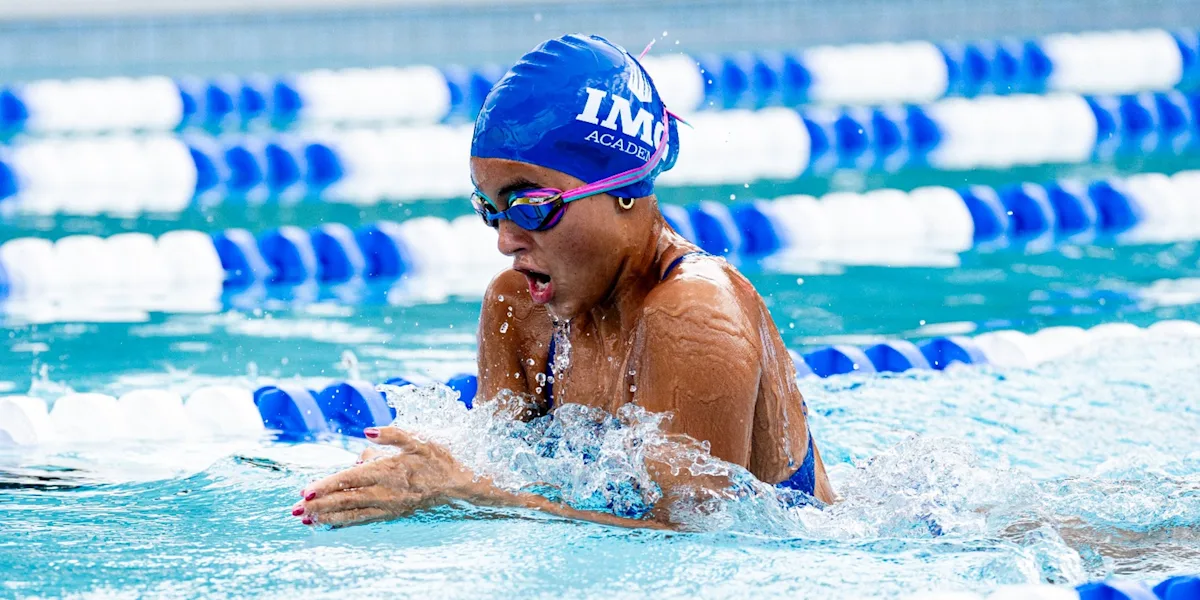
Good breaststroke technique brings the pull, breath, kick, and glide into a coordinated rhythm. The goal is to move forward efficiently while returning to a streamlined position after each stroke. Whether you are learning how to swim breaststroke or refining your breaststroke form, work on one part of the movement before bringing the full stroke together.
Key Takeaways
Coordinate your pull, breath, kick, and glide instead of rushing through the stroke.
Bring your heels toward your backside during kick recovery without pulling your knees toward your chest.
Let your head rise with your shoulders to breathe, then return it to alignment as your hands reach forward.
Finish the kick with your legs together and your body extended to make use of the glide.
Use focused breaststroke drills and feedback to identify the change that will help you most.
Breaststroke Technique Quick Reference
Use this sequence to connect each part of the stroke with a simple cue. Your timing will become more fluid as you gain experience.
Stroke Element | What to Focus On |
Body position | Return to a long, narrow shape after each stroke |
Pull | Sweep out, catch the water, and bring the hands back inward |
Breath | Inhale as the shoulders rise and exhale with the face in the water |
Kick | Recover the heels, turn the feet outward, and press back |
Glide | Finish extended without waiting until you have stopped moving |
Body Alignment for Efficient Swimming
Hydrodynamics describes how your body moves through water. A streamlined shape creates less resistance than a position with your hips dropped and your legs hanging beneath you. Breaststroke includes a natural rise and fall, so you will not remain perfectly flat throughout the whole stroke. Focus on returning to alignment during each glide.
Keep your neck relaxed and your head aligned with your spine. As your arms extend, let your face return to the water and your body lengthen. Think about moving forward instead of lifting yourself as high as possible to breathe.
Mobility work can support comfortable positions in and out of the pool. For guidance on preparing your body before practice and working on flexibility afterward, see IMG Academy's stretching routines for athletes.
Mastering the Breaststroke Kick
The kick is a major source of propulsion in breaststroke swimming. Begin by bringing your heels toward your backside. Avoid drawing your knees up toward your chest, which puts more of your legs in the path of the water and increases resistance.
Turn your feet outward to catch the water, then press backward and bring your legs together. Finish long through your legs before recovering for the next kick. The exact width and tempo vary among swimmers; do not force your knees or ankles into an uncomfortable position.
Try these ways to isolate the movement:
Use a kickboard for a short, easy length so you can concentrate on the heel recovery and finish.
With an instructor's guidance, practice kicking on your back to notice whether your knees are lifting too far.
Return to full-stroke swimming and check whether the same controlled kick fits your rhythm.
Generating Power With Your Breaststroke Pull
From the extended position, sweep your hands outward and angle your palms and forearms to catch the water. Bring the hands inward toward the upper chest, then send them forward together into recovery. Avoid pulling so far behind your shoulders that it becomes difficult to reach forward smoothly.
Sculling can help you feel how your hands hold the water. In a supported position, make small outward and inward sweeps with your hands and forearms. Keep the motion controlled, then notice the same pressure when you return to the full pull.
Breathing Without Losing Alignment
Let your head rise with your shoulders during the pull, and take a breath when your mouth clears the surface. Avoid throwing your chin upward. Return your face to the water as your hands recover forward, and exhale underwater so you are ready for the next breath.
Practice this at an easy pace first. If you rush the breath or lift your head early, slow down and reconnect it with the pull.
Coordinating Your Stroke Timing
Use the cue “pull and breathe, kick and glide” to learn the basic order. Recover your heels as the hands move inward, then let your arms extend as you finish the kick. You should reach the glide with your arms long and your legs together.
The glide lets you benefit from the speed you have created. Keep your head between your arms and your body narrow. Avoid beginning another pull before you finish extending, but do not hold the glide until you have nearly stopped.
Breaststroke Drills for Timing
Try one pull followed by two controlled kicks, keeping your arms extended for the extra kick. Use the drill briefly, then return to one pull and one kick. Notice whether you can finish the kick and reach a clear glide without rushing. This is a practice drill, not the normal rhythm for a race.
Choose one cue for each short practice block. For example, focus on returning your face to the water before working on the kick finish. IMG Academy's guide to effective goal setting for athletes can help you make that focus specific and trackable.
Practicing the Breaststroke Turn
Approach the wall under control and touch it with both hands at the same time. Bring your knees in, turn your body, and place your feet on the wall. Bring your hands together overhead and turn toward your front before your feet leave the wall, then extend into a streamlined push-off.
Learn the touch, turn, and push-off before adding a competitive underwater pullout. A swim coach can teach the pullout and the rules for your event. Practice in a supervised pool, and avoid turning underwater distance into a breath-holding challenge.
Common Breaststroke Mistakes and Corrections
Common Mistake | What to Try |
Knees draw toward the chest | Recover the heels toward the backside while keeping the thighs controlled |
Head lifts too high for a breath | Let the head rise with the shoulders instead of lifting the chin |
Pull travels too far backward | Keep the action compact enough to recover the hands forward smoothly |
Stroke feels rushed | Slow down and identify a clear pull, breath, kick, and glide |
Glide lasts until momentum fades | Begin the next cycle while you are still moving forward |
Tools for Focused Technique Practice
A kickboard can help isolate the legs. A pull buoy supports the lower body while you focus on the arm action. A center-mounted swim snorkel lets you practice selected movements without lifting your face to breathe, but it does not teach breaststroke breathing timing. Learn how to use any tool with an instructor, and return to full-stroke swimming to connect the parts.
For feedback on the stroke itself, work with a qualified swimming coach. If frustration, concentration, or inconsistent practice habits are getting in the way of that work, IMG Academy+ Personal Coach offers mental performance coaching that can support your approach to learning.
How Breaststroke Fits With Other Swimming Strokes
Freestyle and backstroke use alternating arm actions and a flutter kick, while butterfly pairs simultaneous arm actions with a dolphin kick. Breaststroke has its own kick and timing, so improving another stroke does not replace practicing these skills directly.
As you become comfortable, include short, easy lengths of another stroke you already know between breaststroke practice blocks. An instructor can introduce unfamiliar strokes and help you decide which drills suit your current ability.
Frequently Asked Questions
What is the most common breaststroke mistake?
Bringing the knees toward the chest during kick recovery is a common problem. Focus on recovering your heels toward your backside, then extending the legs behind you rather than letting them hang below your hips.
How do I get the pull and kick timing right?
Start slowly with the cue “pull and breathe, kick and glide.” Recover your heels during the inward part of the pull, then extend your arms as you finish the kick. Use a short timing drill before returning to the full stroke.
How can I check my technique without a coach beside me?
If the pool permits filming, ask someone to record a short side view without including other swimmers. Look for one visible feature, such as when your face returns to the water. Video can reveal patterns, but it may not show what is happening underwater; use a qualified coach when a problem remains unclear.
Why does breaststroke feel harder than it looks?
The stroke requires several movements to fit together while you manage resistance. Rushing the pull, lifting your head too high, or recovering your legs too far forward can make each length feel harder. Slow practice helps you identify where the rhythm changes.
How do I improve other strokes alongside breaststroke?
Alternate breaststroke technique work with easy lengths of a second stroke you can already swim. Give that stroke its own cue, such as steady head position in backstroke, instead of trying to correct everything at once. Add unfamiliar strokes through instruction.
How long does it take to correct a stroke flaw?
You may see early improvements within a few weeks of focused practice. In a small study of novice adult swimmers, breaststroke performance improved after five practice sessions spread over three weeks. That finding does not establish a deadline for correcting every flaw. Focus on one adjustment and check whether you can maintain it during full-stroke swimming, then at a faster pace.
Put Your Breaststroke Skills Into Practice
Better breaststroke comes from coordinating the whole stroke and reducing the resistance you create between efforts. Practice one cue at a time, connect drills back to full swimming, and use feedback to guide the next step. To support the focus, fueling, and recovery habits around your pool sessions, explore the on-demand performance resources in IMG Academy+ Essentials.